


How to Sleep After Wisdom Teeth Removal Safe
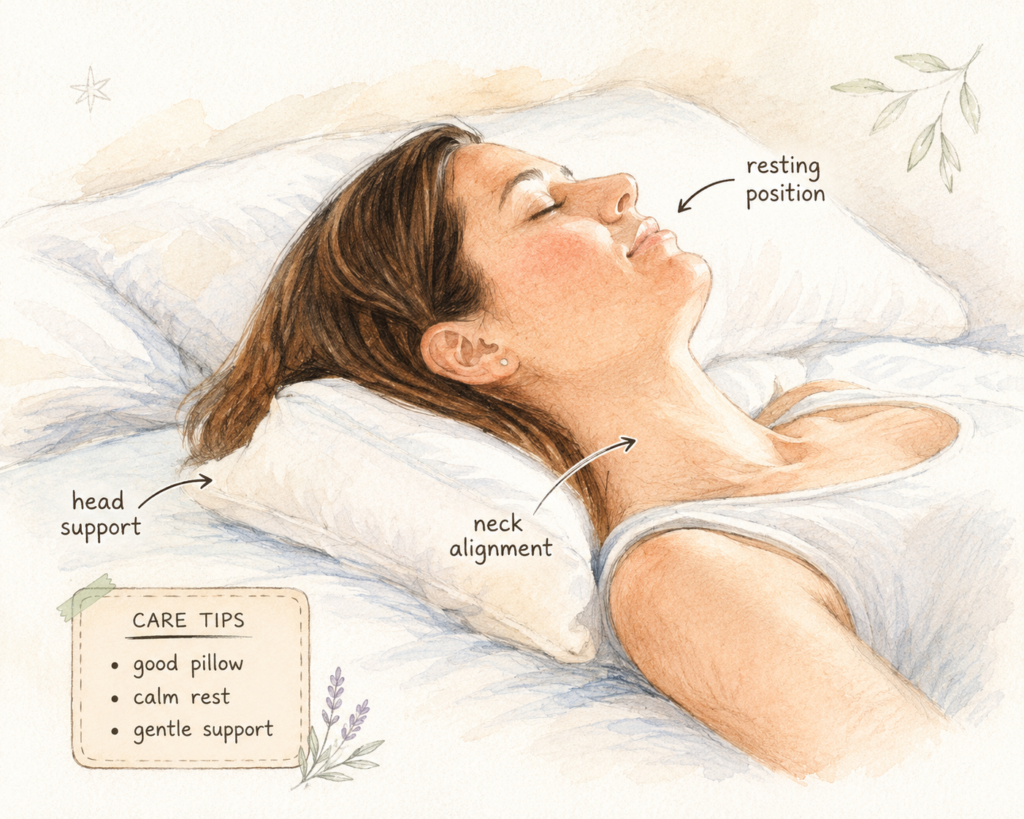
Sleeping after wisdom teeth removal can feel difficult. Your jaw may feel sore, your cheeks may be swollen, and your mouth may feel strange because of gauze, stitches, blood taste, or numbness. Many people also worry about sleeping in the wrong position and getting dry socket.
The safest sleeping plan after wisdom teeth removal is simple. Keep your head raised, rest on your back if you can, avoid pressure on the surgery side, do not sleep with loose gauze in your mouth, take medicines only as directed, and follow your dentist’s aftercare instructions. The first night is usually the most important because bleeding, swelling, and clot protection matter most during early healing.
A blood clot forms in each extraction socket after the tooth is removed. This clot protects the bone and nerve endings under it. If the clot comes out too early, dry socket can happen. Dry socket can cause severe pain, bad taste, bad breath, and pain that may spread to the ear, eye, temple, or neck.
Sleeping safely is not only about comfort. It is also about protecting the healing socket, reducing swelling, avoiding choking risk from gauze, and making sure pain is controlled enough for rest.
| Main question | Simple answer |
|---|---|
| How should I sleep after wisdom teeth removal? | Sleep with your head raised, especially during early recovery |
| Is sleeping flat safe? | It may increase swelling or bleeding for some people early on |
| Can I sleep on my side? | Ask your dentist, but avoid pressure on the surgery side early on |
| Can I sleep with gauze in my mouth? | Usually no, unless your dental team gives clear instructions and someone checks you |
| Why is head elevation helpful? | It may help reduce swelling and bleeding |
| When should I call a dentist? | Severe pain, heavy bleeding, fever, swelling getting worse, or bad smell with pain |
Why Sleep Position Matters After Wisdom Teeth Removal Safe
Sleep position matters because the first part of healing depends on a stable blood clot. After wisdom teeth are removed, the socket needs time to settle. Sleeping flat, rolling onto the sore side, pressing your cheek into a pillow, or falling asleep with gauze in your mouth can create problems.
Head elevation may help reduce swelling and pressure around the jaw. It can also make it easier to manage mild bleeding during the first night. Some people feel more comfortable sleeping in a recliner or with pillows supporting the upper body.
Dental care note: The goal is not to sleep perfectly. The goal is to avoid pressure, suction, hard rinsing, and anything that may disturb the clot.
| Sleep issue | Why it matters |
|---|---|
| Sleeping flat too early | May increase swelling or throbbing |
| Rolling onto surgery side | Can add pressure and discomfort |
| Loose gauze while asleep | Choking risk |
| Mouth breathing | May dry the mouth |
| Poor pain control | Can keep you awake |
| Too much pillow bend | Can cause neck pain |
What Safe Sleep Usually Looks Like
Safe sleep after wisdom teeth removal is calm, supported, and simple. You do not need a perfect hospital-style setup. You need a position that keeps your head raised and protects your mouth.
A safer sleep setup may include:
- Head and upper body raised
- Pillow support behind your back
- Pillow support on both sides to reduce rolling
- Clean pillowcase
- Water nearby
- Medicine schedule written down
- Tissues or towel nearby for mild drool
- No straw near the bed
- No smoking or vaping
- No loose gauze in the mouth unless told otherwise
| Setup item | Why it helps |
|---|---|
| Extra pillows | Raises head and upper body |
| Recliner | Helps keep position stable |
| Side pillows | Reduces rolling |
| Clean pillowcase | Keeps area cleaner |
| Water cup | Helps hydration without straw |
| Medicine note | Prevents missed or double doses |
| Soft towel | Helps with drool or mild oozing |
Best Sleeping Position After Wisdom Teeth Removal
The best sleeping position for many people after wisdom teeth removal is on the back with the head and upper body raised. This position helps avoid direct pressure on the cheeks and extraction sites. It can also make swelling feel less intense.
If you usually sleep on your side, the first night may feel uncomfortable. Try using pillows to support your body. If you must turn slightly, avoid lying directly on the side where the tooth was removed, especially if that side is swollen or sore.
| Sleeping position | Safety idea |
|---|---|
| Back with head raised | Often best for early healing |
| Recliner sleeping | Helpful for the first night for some people |
| Side sleeping on non-surgery side | May be okay for some, ask dentist |
| Side sleeping on surgery side | May cause pressure and soreness |
| Stomach sleeping | Usually not ideal early because it can press the jaw |
| Flat on back | May feel worse if swelling or bleeding increases |
How to Raise Your Head Properly
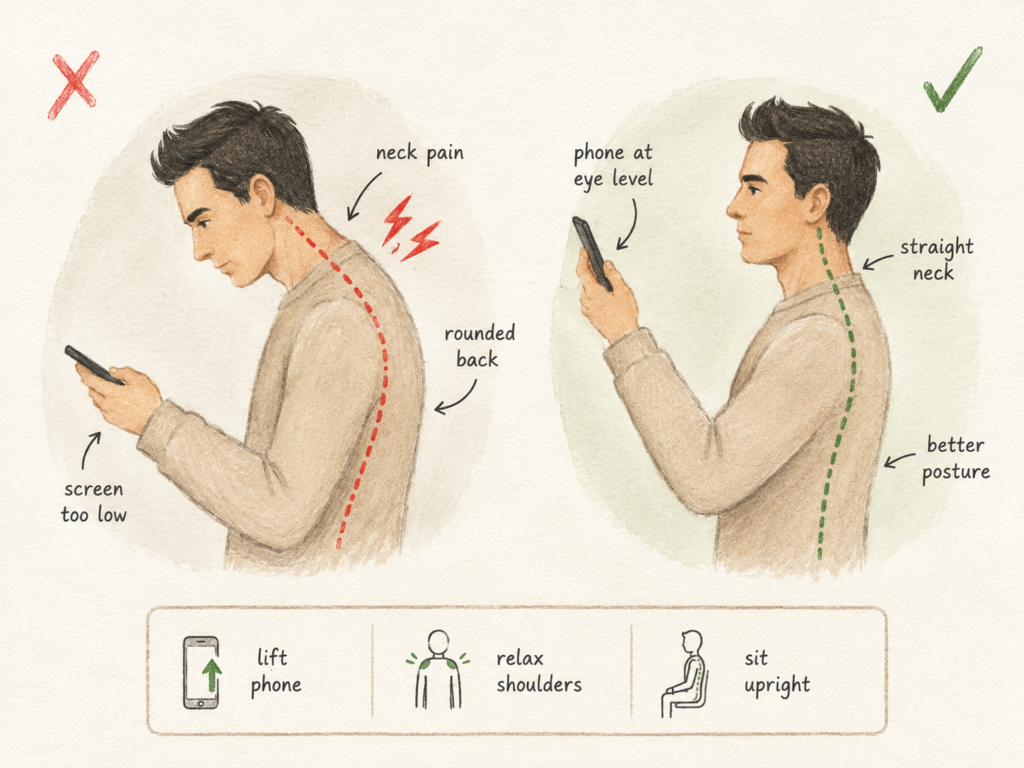
Raising only the neck can cause stiffness. It is better to raise the upper body from the shoulders or mid-back, like a gentle slope. This can feel more stable and less painful than stacking pillows only under the head.
Helpful ways to raise your head include:
- Use a wedge pillow
- Sleep in a recliner
- Stack pillows under upper back and shoulders
- Use one small pillow under the neck if needed
- Place pillows beside your body to stop rolling
- Keep the jaw relaxed
- Avoid bending the chin sharply toward the chest
| Method | Why it helps |
|---|---|
| Wedge pillow | Supports upper body evenly |
| Recliner | Keeps body raised and steady |
| Pillows under shoulders | Reduces neck strain |
| Side pillows | Limits rolling |
| Soft neck support | Helps comfort |
| Clean pillowcase | Protects healing area |
Sleeping on Your Side After Wisdom Teeth Removal
Side sleeping is common, but it may be uncomfortable after wisdom teeth removal. If you had teeth removed on one side only, sleeping on the opposite side may feel better. If you had teeth removed on both sides, sleeping on your back with head raised is usually easier during the first night.
Side sleeping itself is not usually the main cause of dry socket. Dry socket is more closely linked with loss of the protective clot. But side sleeping can press the cheek, increase soreness, and make swelling feel worse.
| Side sleeping concern | Why it matters |
|---|---|
| Pressure on cheek | Can increase pain |
| Drooling | May stain pillow |
| Jaw resting sideways | May feel sore |
| Rolling during sleep | May press surgery area |
| Swelling on one side | Pressure can feel uncomfortable |
| Stitches rubbing | Can irritate tissue |
Tips If You Are a Side Sleeper
If sleeping on your back feels impossible, try to reduce pressure and keep your head raised. Ask your dentist if you had a complex removal or stitches.
Helpful tips include:
- Start the night on your back
- Use pillows on both sides of your body
- Turn slightly instead of fully onto your side
- Avoid the surgery side
- Keep your head raised even if slightly turned
- Use a clean pillowcase
- Avoid pressing your jaw into the pillow
- Call your dentist if pain worsens after sleeping on one side
| Side sleeper problem | Better setup |
|---|---|
| Rolling onto sore side | Use side pillows |
| Neck pain from elevation | Raise upper body, not only head |
| Cheek pressure | Turn slightly, not fully |
| Drooling | Use clean towel over pillow |
| Jaw soreness | Keep face off hard pillow |
Should You Sleep With Gauze After Wisdom Teeth Removal
You should not usually sleep with loose gauze in your mouth. Gauze is used to control bleeding by applying pressure. Once bleeding is controlled, it is often removed. Sleeping with gauze can be risky because it may loosen and become a choking hazard.
If bleeding continues and your dental team tells you to keep gauze in place, follow their exact instructions. Some instructions say someone should check you if gauze is still being used near sleep time. Do not ignore heavy bleeding.
| Gauze situation | What to do |
|---|---|
| Bleeding has stopped | Remove gauze as instructed |
| Mild oozing | Follow dentist’s gauze timing |
| Heavy bleeding | Call dentist or oral surgeon |
| Feeling sleepy with gauze in mouth | Ask someone to supervise or remove if instructed |
| Gauze is soaked quickly | Replace as directed and call if it continues |
| Gauze feels loose | Do not sleep with loose gauze |
Gauze Safety Tips Before Bed
Before sleeping, check whether bleeding is controlled. A little pink saliva can happen. Heavy bleeding or repeated soaked gauze needs dental advice.
Helpful gauze tips include:
- Bite gently but firmly as directed
- Replace gauze only as instructed
- Do not chew the gauze
- Do not talk too much while gauze is in place
- Do not sleep with loose gauze
- Do not place too much gauze in the mouth
- Call the dentist if bleeding does not slow
- Keep your head raised
- Avoid spitting forcefully
- Avoid rinsing hard
| Gauze mistake | Safer choice |
|---|---|
| Sleeping with loose gauze | Remove or get instructions |
| Chewing gauze | Bite gently and still |
| Using too much gauze | Use amount instructed |
| Ignoring soaked gauze | Call dentist if ongoing |
| Spitting blood hard | Let saliva fall out gently if needed |
How to Protect the Blood Clot While Sleeping
The blood clot is one of the most important parts of healing. It covers the bone and nerves inside the socket. During sleep, you want to avoid anything that creates suction, pressure, or irritation around the clot.
Dry socket can happen if the clot does not form, comes out, or dissolves too early. The risk is higher after wisdom tooth removal than many simple extractions, especially lower wisdom teeth.
| Clot protection rule | Why it matters |
|---|---|
| No straws | Suction may disturb the clot |
| No smoking or vaping | Suction and chemicals can slow healing |
| No hard rinsing | Can move the clot |
| No forceful spitting | Creates pressure and suction |
| No poking socket | Can injure healing tissue |
| Soft foods | Less chance of food trauma |
| Head raised | Helps comfort and swelling |
Nighttime Clot Protection Checklist
Before bed, make sure you are not doing anything that can disturb the socket.
Check:
- Did you avoid straws?
- Did you avoid smoking or vaping?
- Did you avoid hard rinsing?
- Did you avoid forceful spitting?
- Did you eat soft foods?
- Did you brush gently away from the socket?
- Did you avoid touching the socket?
- Is bleeding controlled?
- Is gauze removed or being used safely?
- Is your head raised?
| If this is happening | What to do |
|---|---|
| You feel a clot came out | Call dentist if pain or bleeding increases |
| Socket hurts more suddenly | Call dentist |
| You accidentally used a straw | Stop and monitor for pain |
| You rinsed hard by mistake | Be gentle from now and watch symptoms |
| Bleeding restarts | Use gauze as directed and call if heavy |
Pain Control Before Sleeping
Pain can make sleep difficult after wisdom teeth removal. Take pain medicine exactly as your dentist or oral surgeon instructed. Do not take extra doses because you want to sleep. Taking too much pain medicine can be unsafe.
Some people are told to take ibuprofen, acetaminophen, or prescribed medicine. The best choice depends on your health, age, allergies, and the type of surgery. Always follow your dental team’s instructions.
| Pain control step | Why it helps |
|---|---|
| Take medicine on schedule | Prevents pain from becoming severe |
| Follow dose instructions | Avoids unsafe use |
| Use cold pack early if advised | Helps swelling and soreness |
| Eat before medicine if required | Protects stomach for some medicines |
| Avoid alcohol | Can interact with medicine and slow healing |
| Call if pain is severe | Dry socket or infection possible |
Safe Medicine Habits at Night
Night medicine mistakes can happen when you are tired. Write down the time you took each dose.
Helpful tips include:
- Read the label carefully
- Follow your dentist’s dose plan
- Do not mix medicines unless told
- Do not drink alcohol with pain medicine
- Set an alarm if a dose is needed
- Keep medicine out of reach of children
- Take medicine with food if directed
- Call the dentist if pain is not controlled
- Do not use someone else’s medicine
- Do not crush pills unless told it is safe
| Mistake | Safer choice |
|---|---|
| Taking extra doses | Call dentist if pain remains |
| Mixing medicines without advice | Follow written plan |
| Drinking alcohol | Avoid alcohol during healing |
| Forgetting dose times | Write them down |
| Using old prescriptions | Ask a clinician |
Swelling and Sleep
Swelling is common after wisdom teeth removal. It may be worse during the first few days. Keeping the head raised can help reduce pressure and may make swelling feel more comfortable.
Cold packs may be recommended during early recovery. Do not sleep with an ice pack pressed against your face. Cold should be used safely and for short periods as directed. Sleeping with ice on the skin can irritate or injure the skin.
| Swelling sign | What it may mean |
|---|---|
| Puffy cheeks | Common after surgery |
| Swelling worse early | Often peaks in first days |
| Jaw stiffness | Common after wisdom tooth removal |
| Bruising | Can happen after surgery |
| Swelling improving slowly | Usually reassuring |
| Swelling getting worse after several days | Needs dental check |
| Swelling with fever | Infection concern |
Swelling Comfort Tips Before Bed
Try to reduce swelling safely without overdoing it.
Helpful tips include:
- Keep head raised
- Use cold packs only as directed
- Do not sleep with ice pack on face
- Rest quietly
- Avoid hard chewing
- Avoid strenuous activity
- Drink water
- Take medicine as directed
- Call dentist if swelling worsens suddenly
- Call dentist if swelling comes with fever or pus
| Helpful step | Why it helps |
|---|---|
| Head elevation | May reduce pressure |
| Cold pack early | May reduce swelling |
| Soft foods | Less jaw strain |
| Rest | Supports healing |
| Water | Supports recovery |
| Dental call if worse | Checks infection or complication |
Bleeding at Night
Some oozing can happen after wisdom teeth removal, especially on the first day. A little blood mixed with saliva may look like more blood than it really is. However, heavy bleeding that fills the mouth, soaks gauze quickly, or does not slow with pressure needs dental advice.
Before sleeping, bleeding should be controlled. If bleeding is still active, follow your dentist’s gauze instructions and contact the dental office if it does not settle.
| Bleeding pattern | What it may mean |
|---|---|
| Pink saliva | Common early |
| Small oozing | May happen first day |
| Gauze slowly stains | Follow instructions |
| Gauze soaks quickly | Call dentist if repeated |
| Blood fills mouth | Urgent advice |
| Bleeding restarts with hard spitting | Clot may be disturbed |
What to Do If Bleeding Starts While Trying to Sleep
Stay calm and follow aftercare instructions.
Helpful steps include:
- Sit upright
- Place clean gauze as directed
- Bite with steady pressure
- Keep head raised
- Avoid talking and chewing
- Do not rinse hard
- Do not spit forcefully
- Call dentist if bleeding does not slow
- Seek urgent care if bleeding is heavy and you feel weak or dizzy
| Step | Why it helps |
|---|---|
| Sit upright | Reduces blood pressure at socket |
| Gauze pressure | Helps clotting |
| Stay still | Reduces disturbance |
| No hard spitting | Protects clot |
| Dental call | Needed for ongoing bleeding |
| Urgent care | Needed for heavy bleeding with weakness |
Numbness and Sleep Safety
After wisdom teeth removal, your lips, chin, cheek, or tongue may feel numb for several hours if local anesthesia was used. Numbness can make it easier to bite your cheek or tongue without noticing. It can also make drooling more likely.
Do not eat hard foods while numb. Before sleeping, make sure you are alert enough to manage saliva, gauze, and medicine safely. If you had sedation or general anesthesia, a responsible adult may need to stay with you as advised by your dental team.
| Numbness issue | Why it matters |
|---|---|
| Cheek biting | You may not feel injury |
| Tongue biting | Can happen while numb |
| Drooling | Common when mouth feels numb |
| Gauze safety | Choking risk if sleepy |
| Sedation | Needs supervision |
| Medicine drowsiness | Fall risk and safety concern |
Safety Tips After Sedation
Sedation can make you sleepy, forgetful, dizzy, or unsteady. Follow the instructions given by your dental team.
Helpful safety tips include:
- Have a responsible adult with you if required
- Do not drive after sedation
- Do not make important decisions while sedated
- Do not cook or use unsafe equipment
- Walk carefully
- Sit up slowly
- Avoid alcohol
- Take medicine only as directed
- Keep gauze safe
- Rest in a safe sleeping position
| Sedation concern | Safer step |
|---|---|
| Feeling dizzy | Stand slowly with help |
| Very sleepy | Have someone check on you |
| Gauze in mouth | Avoid sleeping with loose gauze |
| Nausea | Follow dental instructions |
| Confusion | Do not manage medicines alone |
| Fall risk | Keep path to bathroom clear |
What to Eat Before Bed
Eating the right food before bed can make sleep easier. You may need food before taking some pain medicines. Soft foods are usually best after wisdom teeth removal because they are less likely to disturb the socket.
Avoid hot, crunchy, spicy, hard, sticky, or seedy foods before bed. These can irritate the socket or get trapped.
| Better bedtime foods | Foods to avoid before bed |
|---|---|
| Yogurt | Chips |
| Applesauce | Nuts |
| Mashed potatoes | Popcorn |
| Scrambled eggs | Spicy food |
| Smooth soup that is not hot | Seeds |
| Soft pasta | Hard toast |
| Pudding | Sticky candy |
Bedtime Food Tips
Choose foods that are soft, mild, and easy to swallow.
Helpful tips include:
- Eat slowly
- Chew away from extraction sites
- Avoid straws
- Let hot foods cool
- Avoid small seeds
- Drink water gently
- Take medicine with food if directed
- Rinse gently only when allowed
- Do not eat right after brushing if it irritates the area
- Keep snacks simple if you wake up hungry
| Tip | Why it helps |
|---|---|
| Soft food | Protects socket |
| Cool or warm food | Avoids burns |
| No seeds | Less chance of trapping |
| Water from cup | Avoids suction |
| Slow chewing | Reduces jaw strain |
| Mild foods | Less irritation |
What to Drink Before Sleeping
Water is usually the best drink after wisdom teeth removal. It helps you stay hydrated and supports recovery. Avoid straws because suction can disturb the clot. Avoid alcohol because it can affect healing and may interact with medicine.
Sugary, fizzy, hot, or acidic drinks may irritate the mouth. Hot drinks can increase bleeding risk early after surgery. Follow your dentist’s instructions about when to return to normal drinks.
| Drink | Better or avoid early |
|---|---|
| Water | Better |
| Warm but not hot tea | Ask if suitable and avoid heat early |
| Smoothie without straw | Better if no seeds and not too thick |
| Alcohol | Avoid |
| Fizzy drinks | Avoid early |
| Very hot drinks | Avoid early |
| Acidic juice | May sting |
| Sugary drinks | Can irritate and feed bacteria |
Hydration Tips at Night
Helpful tips include:
- Keep water nearby
- Sip from a cup
- Do not use a straw
- Avoid alcohol
- Avoid very hot drinks
- Avoid drinks with seeds or pulp
- Drink enough during the day
- Call dentist if you cannot drink due to pain or swelling
| Hydration issue | Best step |
|---|---|
| Dry mouth | Sip water gently |
| Thick saliva | Drink water |
| Pain with swallowing | Call dentist if severe |
| Nausea | Follow dental advice |
| Wake thirsty | Keep water near bed |
| Want smoothie | Use spoon or cup, not straw |
Brushing Before Bed
Oral hygiene matters after wisdom teeth removal, but you must be gentle. Your dentist may tell you when to start brushing near the extraction area and when to begin salt water rinses. In many cases, you avoid rinsing hard during the first day.
Brush the other teeth carefully. Avoid poking the extraction sockets. Do not use a toothbrush inside the holes. Do not spit forcefully.
| Cleaning step | Safe idea |
|---|---|
| Brush other teeth | Gentle brushing |
| Brush near sockets | Be careful and follow instructions |
| Brush inside socket | Do not do this |
| Rinse hard | Avoid |
| Spit forcefully | Avoid |
| Salt water rinse | Use only when allowed |
| Mouthwash | Use only if dentist says |
Gentle Night Cleaning Routine
A gentle routine can help reduce bacteria without disturbing the sockets.
Try this:
- Brush slowly with a soft toothbrush
- Avoid the socket area early
- Do not spit hard
- Let toothpaste foam fall out gently if needed
- Use salt water rinse only when allowed
- Keep tongue cleaning gentle
- Do not floss near sore extraction sites unless advised
- Avoid strong mouthwash unless prescribed
- Check for bleeding before bed
- Call dentist if cleaning causes severe pain
| Cleaning mistake | Better habit |
|---|---|
| Scrubbing near socket | Brush softly around it |
| Hard swishing | Gentle rinse later when allowed |
| Spitting forcefully | Let liquid fall out |
| Using alcohol mouthwash | Ask dentist first |
| Digging food out | Call dentist if stuck |
Keeping Your Sleep Area Clean
Your pillow and bedding can matter after wisdom teeth removal. Mild drooling, blood-tinged saliva, or medicine taste can happen. A clean towel over the pillow can protect bedding and keep you more comfortable.
Keep tissues, water, and medicine notes near the bed. Do not keep small items in the bed that could accidentally go into the mouth.
| Sleep area item | Why it helps |
|---|---|
| Clean pillowcase | Reduces irritation |
| Towel over pillow | Protects from drool |
| Water cup | Supports hydration |
| Medicine schedule | Prevents confusion |
| Tissues | Helps with drool |
| Phone nearby | Helps call for help |
| Low light | Safer if waking at night |
Bed Setup Tips
Helpful setup tips include:
- Change pillowcase before sleeping
- Place a clean towel over pillow
- Keep head raised
- Keep water nearby
- Keep medicine schedule written down
- Keep ice packs out of the bed while sleeping
- Keep pets away from your face
- Keep the room calm and cool
- Put a trash bag nearby for tissues
- Keep your path to bathroom clear
| Problem | Helpful setup |
|---|---|
| Drooling | Towel over pillow |
| Neck pain | Better pillow slope |
| Rolling | Side pillow barriers |
| Waking for medicine | Written schedule |
| Dizziness | Clear walking path |
| Swelling | Head raised |
What Not to Do Before Sleeping
Some actions can raise the risk of bleeding, clot movement, swelling, or pain. Avoiding these before bed can help recovery.
The main rule is to keep the socket calm.
| What not to do | Why |
|---|---|
| Use a straw | Suction may move clot |
| Smoke or vape | Slows healing and raises dry socket risk |
| Rinse hard | May disturb clot |
| Spit forcefully | Creates pressure and suction |
| Eat crunchy foods | Can injure socket |
| Sleep with loose gauze | Choking risk |
| Drink alcohol | Can affect healing and medicine safety |
| Exercise hard | May restart bleeding |
| Touch the socket | Adds germs and irritation |
Safer Night Choices
Choose calm habits instead.
Safer choices include:
- Sip water from a cup
- Eat soft foods
- Keep head raised
- Rest quietly
- Remove gauze when instructed
- Use medicine as directed
- Brush gently
- Avoid tobacco
- Avoid alcohol
- Call the dentist if symptoms worry you
| Instead of this | Choose this |
|---|---|
| Straw drink | Cup sip |
| Hard snack | Soft food |
| Smoking | Avoid tobacco |
| Hard rinse | Gentle rinse when allowed |
| Flat sleeping | Head raised |
| Guessing medicine | Follow written instructions |
How Long Should You Sleep Elevated
Many people are advised to keep the head raised for at least the first night. Some dental teams may suggest elevation for a few nights, especially if swelling is strong or the surgery was complex. Your dentist’s instructions should come first.
You may be able to return to a more normal sleep position when bleeding has stopped, swelling is improving, and you can rest without throbbing or pressure. If your dentist gave a specific time, follow it.
| Time after removal | Sleep focus |
|---|---|
| First night | Head raised, clot protection, gauze safety |
| First few days | Control swelling and avoid pressure |
| Days three to five | Watch for dry socket pain signs |
| After swelling improves | Slowly return to comfort position |
| If pain worsens | Call dentist before changing care |
| If surgery was complex | Follow surgeon’s longer plan |
Signs You May Be Ready to Sleep More Normally
You may be ready to lower elevation when symptoms are clearly improving. Do not rush if lying flat causes throbbing.
More reassuring signs include:
- Bleeding has stopped
- Swelling is going down
- Pain is controlled
- No bad smell with severe pain
- No fever
- You can drink and eat soft foods
- You are not taking medicine that makes you very drowsy
- Your dentist has not told you to stay elevated longer
| Reassuring sign | What it means |
|---|---|
| Less swelling | Healing is improving |
| Less pain | Socket may be stable |
| No bleeding | Clot is likely settled |
| Normal temperature | Less infection concern |
| Better jaw movement | Recovery is improving |
| Comfortable lying lower | May return slowly |
Sleeping After All Four Wisdom Teeth Are Removed
If all four wisdom teeth were removed, finding a comfortable side can be harder. Back sleeping with head raised is often the safest and most comfortable early position because both sides may be sore.
Use pillows to support the upper body and stop rolling. A recliner can help if you have one. If you keep turning, side pillows can act like a soft barrier.
| Challenge | Helpful idea |
|---|---|
| Both sides sore | Sleep on back raised |
| Cheeks swollen | Avoid side pressure |
| Drooling | Use towel over pillow |
| Hard to stay still | Use pillow barriers |
| Jaw stiffness | Keep head supported |
| Pain waking you | Follow medicine schedule |
Comfort Setup for Four-Tooth Removal
Helpful setup includes:
- Recliner or wedge pillow
- Pillows under upper back
- Pillows on both sides
- Clean towel on pillow
- Water by bed
- Medicine schedule
- Soft foods ready
- Phone nearby
- Low lighting for night waking
- Someone nearby if sedation was used
| Setup | Benefit |
|---|---|
| Recliner | Keeps body raised |
| Wedge pillow | Better than neck bending |
| Side pillows | Stops rolling |
| Towel | Handles drool |
| Medicine note | Prevents dosing mistakes |
| Water | Helps dry mouth |
Sleeping After One Wisdom Tooth Is Removed
If only one wisdom tooth was removed, you may be able to sleep slightly turned toward the opposite side if your dentist says it is okay. Avoid putting pressure on the extraction side during the first night or while swelling is strong.
Even with one tooth removed, clot protection still matters. Avoid straws, smoking, hard rinsing, and forceful spitting.
| One-tooth situation | Sleep idea |
|---|---|
| One lower tooth removed | Keep head raised and avoid that side |
| One upper tooth removed | Keep head raised and avoid pressure |
| Mild swelling | Raised back sleep may still help |
| Side sleeper | Turn away from surgery side |
| Pain worsening | Call dentist |
| Bleeding continues | Follow gauze instructions and call if heavy |
One-Side Removal Tips
Helpful tips include:
- Sleep with head raised
- Use a pillow to stop rolling onto surgery side
- Chew on the other side
- Keep the area clean gently
- Watch for one-sided swelling that worsens
- Call if pain spreads to ear or temple
- Avoid touching the socket
- Follow all aftercare rules
| Tip | Why it helps |
|---|---|
| Avoid surgery side | Less pressure |
| Chew opposite side | Protects clot |
| Head raised | Helps swelling |
| Side pillow | Prevents rolling |
| Watch pain | Dry socket can start after a few days |
| Dental call if worse | Gets early care |
Sleep Problems After Wisdom Teeth Removal
It is normal to sleep poorly for a night or two after surgery. Pain, swelling, numbness, medicine timing, and sleeping upright can all disturb rest. The goal is to make sleep safer and more comfortable, not perfect.
If pain is so bad that you cannot sleep even with medicine, call your dentist. Severe worsening pain is not something to ignore.
| Sleep problem | Possible reason |
|---|---|
| Waking with throbbing | Lying too flat or pain medicine wearing off |
| Neck pain | Pillows only under head |
| Dry mouth | Mouth breathing or medicine |
| Drooling | Numbness or swelling |
| Bad taste | Old blood or healing fluid |
| Jaw tightness | Surgery soreness |
| Severe pain | Dry socket or infection possible |
How to Improve Sleep Comfort
Helpful steps include:
- Raise upper body, not only neck
- Keep medicine schedule clear
- Use soft pillows for support
- Keep the room quiet
- Avoid screens if they keep you awake
- Sip water before bed
- Eat soft food before medicine if directed
- Use cold pack before sleep if advised, not during sleep
- Keep phone nearby
- Call dentist if pain becomes severe
| Problem | Better fix |
|---|---|
| Neck pain | Use wedge shape support |
| Throbbing | Keep head raised |
| Medicine wearing off | Ask dentist about schedule |
| Dry mouth | Sip water |
| Rolling | Use side pillows |
| Anxiety | Keep aftercare checklist nearby |
Dry Socket Warning Signs at Night
Dry socket often starts within a few days after tooth removal. The pain is usually stronger than normal soreness and may not improve with usual pain medicine. It can spread to the ear, eye, temple, or neck on the same side.
If you wake at night with sudden severe pain after wisdom teeth removal, especially after pain had been improving, call your dentist or oral surgeon.
| Dry socket sign | What you may notice |
|---|---|
| Severe pain | Strong socket pain |
| Pain after initial improvement | Worrying pattern |
| Pain spreading to ear | Common dry socket clue |
| Empty-looking socket | Clot may be lost |
| Visible bone | Needs dental check |
| Bad breath | Can happen with dry socket |
| Bad taste | Can happen with dry socket |
What to Do If You Think You Have Dry Socket
Do not pack the socket yourself. Do not put aspirin, oils, or home mixtures into the hole. Call your dentist or oral surgeon.
Helpful steps include:
- Call the dental office
- Follow pain medicine instructions
- Avoid smoking and straws
- Do not poke the socket
- Keep the area clean gently
- Eat soft foods
- Seek urgent help if swelling, fever, or trouble swallowing happens
- Keep follow-up appointment if given
| Do | Avoid |
|---|---|
| Call dentist | Packing socket at home |
| Follow medicine plan | Taking extra unsafe doses |
| Keep head raised | Smoking or vaping |
| Gentle care | Digging in socket |
| Watch fever | Ignoring infection signs |
Infection Warning Signs While Recovering
Infection can happen after wisdom tooth removal, though many people heal without it. Infection may cause worsening swelling, fever, pus, bad taste, severe pain, or feeling unwell. It may happen later than the first day.
A little swelling and soreness can be normal. Swelling that keeps getting worse after the first few days, fever, or pus should be checked.
| Infection sign | Why it matters |
|---|---|
| Fever | Body may be fighting infection |
| Pus | Infection possible |
| Swelling getting worse | Needs check |
| Bad taste with swelling | Infection possible |
| Severe pain | Needs dental care |
| Red hot skin | Inflammation or infection |
| Trouble opening mouth | Needs urgent advice |
| Trouble swallowing | Urgent concern |
When to Get Urgent Help
Seek urgent care if symptoms suggest spreading infection or a serious problem.
Get urgent help if you have:
- Trouble breathing
- Trouble swallowing
- Swelling spreading to the jaw, face, neck, or eye
- High fever
- Heavy bleeding that does not stop
- Severe pain not controlled by medicine
- Pus with swelling
- Feeling very weak or confused
- Cannot drink fluids
- Mouth opening becomes very limited
| Urgent sign | Best action |
|---|---|
| Breathing trouble | Emergency help |
| Swallowing trouble | Emergency help |
| Face or neck swelling | Urgent care |
| Heavy bleeding | Urgent dental or medical care |
| High fever | Medical advice quickly |
| Severe worsening pain | Dentist quickly |
Medicine and Drowsiness at Bedtime
Some medicines can make you drowsy. If you had sedation or were prescribed strong pain medicine, you may feel sleepy or unsteady. This can affect sleep safety.
Do not drink alcohol with pain medicine. Do not take more than directed. If medicine makes you too sleepy, confused, itchy, sick, or causes breathing trouble, seek medical advice.
| Medicine issue | Why it matters |
|---|---|
| Drowsiness | Fall or choking risk |
| Nausea | May disturb sleep |
| Dizziness | Fall risk |
| Double dosing | Unsafe |
| Mixing alcohol | Dangerous interaction possible |
| Breathing trouble | Emergency concern |
Safe Night Medicine Checklist
Before bed, check:
- What medicine did I take?
- What time did I take it?
- When is the next dose allowed?
- Did I eat if needed?
- Did I avoid alcohol?
- Is someone nearby if I had sedation?
- Is gauze safely removed or monitored?
- Am I too dizzy to walk alone?
- Do I need to call the dentist about pain?
| Checklist item | Why it helps |
|---|---|
| Dose time written down | Prevents double dose |
| Food if needed | Protects stomach |
| No alcohol | Reduces risk |
| Supervision after sedation | Improves safety |
| Clear path to bathroom | Reduces falls |
| Call if pain severe | Checks complications |
Practical Example: First Night Sleep Setup
A person has all four wisdom teeth removed in the morning. By bedtime, bleeding has mostly stopped. They feel sore and swollen. They set up a recliner, keep water nearby, remove gauze as instructed, take medicine on schedule, and avoid straws.
This is a safer first-night setup because the head is raised, the sockets are protected, and there is less risk of rolling onto the cheeks.
| Step | Why it helps |
|---|---|
| Recliner sleep | Keeps head raised |
| Gauze checked | Reduces choking risk |
| Water nearby | Helps hydration |
| Medicine schedule | Controls pain safely |
| No straw | Protects clot |
| Soft food dinner | Reduces chewing stress |
Practical Example: Side Sleeper With One Tooth Removed
A person has one lower wisdom tooth removed on the right side. They cannot sleep fully on their back. They raise their upper body and turn slightly toward the left side, with a pillow behind the back to stop rolling onto the right side.
This may reduce pressure on the surgery side while still keeping the head raised. If pain worsens, they should call the dentist.
| Choice | Why it helps |
|---|---|
| Turn away from surgery side | Less cheek pressure |
| Head raised | Helps swelling |
| Pillow behind back | Reduces rolling |
| No face pressure | Protects sore jaw |
| Call if worse | Checks dry socket or infection |
Unique Insight: The First-Night Safety Triangle
A helpful way to think about sleeping after wisdom teeth removal is the first-night safety triangle. The three points are clot protection, breathing safety, and swelling control. If your sleep setup protects all three, it is usually safer.
Clot protection means no suction, no hard rinsing, no smoking, and no poking. Breathing safety means no loose gauze while asleep, careful medicine use, and supervision if sedation was used. Swelling control means head elevation, rest, and avoiding pressure on the cheeks.
| Safety triangle point | What it means |
|---|---|
| Clot protection | Avoid suction, straws, smoking, hard rinsing |
| Breathing safety | Avoid loose gauze and unsafe medicine use |
| Swelling control | Keep head raised and avoid cheek pressure |
How to Use the Safety Triangle
Before bed, check each point.
Ask yourself:
- Is my head raised?
- Is bleeding controlled?
- Is gauze safely removed or supervised?
- Did I avoid straws?
- Did I avoid smoking or vaping?
- Did I avoid hard rinsing?
- Did I take medicine correctly?
- Is someone nearby if I had sedation?
- Is my sleep position keeping pressure off my jaw?
- Do I know when to call the dentist?
| If you answer no | What to fix |
|---|---|
| Head is not raised | Add pillow support or recliner |
| Gauze is loose | Remove or follow dentist advice |
| Medicine timing unclear | Check label and written plan |
| You used a straw | Stop using straws |
| You are lying on sore cheek | Reposition with pillows |
| Pain is severe | Call dentist |
Common Myths About Sleeping After Wisdom Teeth Removal
There are many myths about sleep after wisdom teeth removal. Some people think one wrong sleeping position always causes dry socket. Others think sleeping flat is always fine. The truth is more balanced. The main concern is protecting the clot, reducing swelling, and following your dentist’s instructions.
| Myth | Truth |
|---|---|
| Side sleeping always causes dry socket | Dry socket is more about clot loss, but side pressure can hurt |
| Gauze should stay in all night | Loose gauze during sleep can be risky |
| Sleeping flat is best | Head elevation is often more comfortable early |
| Pain must be ignored | Worsening severe pain needs dental care |
| Ice packs can stay on all night | Do not sleep with ice pressed on skin |
| Straws are fine if used gently | Suction can disturb the clot |
| Smoking only affects lungs | Smoking can slow mouth healing |
Better Ways to Think About Sleep
A better way is to focus on safety and comfort, not fear.
Better thinking includes:
- Head raised helps early comfort
- Back sleeping avoids cheek pressure
- Side sleeping may need caution
- Gauze must be handled safely
- Dry socket pain is usually severe and worsening
- Medicine should be used exactly as directed
- Your dentist’s instructions come first
| Old thinking | Better thinking |
|---|---|
| I must sleep perfectly | I need a safe, supported setup |
| White socket means dry socket | Pain pattern matters more |
| I can sleep with gauze | Gauze can be unsafe if loose |
| I should take more medicine to sleep | I should follow dose instructions |
| I can smoke if careful | Smoking raises healing risk |
| I can use a straw slowly | Avoid suction early |
Final Thoughts
Sleeping after wisdom teeth removal is safest when you protect the blood clot, keep your head raised, avoid pressure on the surgery area, and follow your dentist’s aftercare instructions. The first night matters most because bleeding, swelling, numbness, gauze safety, and medicine timing are all important.
Try sleeping on your back with your head and upper body raised. Use pillows or a recliner if needed. Avoid sleeping directly on the surgery side early on. Do not sleep with loose gauze in your mouth. Avoid straws, smoking, vaping, hard rinsing, forceful spitting, crunchy foods, alcohol, and hard activity before bed.
Some soreness, swelling, blood taste, and poor sleep can be normal. But severe pain that gets worse, pain spreading to the ear or temple, heavy bleeding, fever, pus, bad smell with pain, or swelling that spreads should be checked quickly. When unsure, call your dentist or oral surgeon.
| Final takeaway | Simple meaning |
|---|---|
| Head raised is helpful | It may reduce swelling and throbbing |
| Protect the clot | Avoid suction and pressure |
| Gauze safety matters | Do not sleep with loose gauze |
| Back sleeping is often easiest | It avoids cheek pressure |
| Side sleeping needs care | Avoid the surgery side early |
| Severe worsening pain is not normal | Call dentist |
| Dentist instructions come first | Follow your personal aftercare plan |
Simple Closing Checklist
Ask yourself these questions before sleeping after wisdom teeth removal:
- Is my head raised?
- Is bleeding controlled?
- Is gauze removed or safely managed?
- Did I avoid straws?
- Did I avoid smoking or vaping?
- Did I avoid hard rinsing and forceful spitting?
- Did I eat soft food?
- Did I take medicine as directed?
- Is my pillow setup stopping me from rolling onto the sore side?
- Is water nearby?
- Do I have severe pain or swelling?
- Do I know who to call if symptoms get worse?
| If your answer is yes | Best next step |
|---|---|
| Head is raised | Keep setup comfortable |
| Bleeding is controlled | Rest and follow aftercare |
| Gauze is loose | Do not sleep with loose gauze |
| Pain is worsening | Call dentist |
| Swelling is spreading | Get urgent advice |
| Fever or pus appears | Call dentist or doctor |
| You are unsure | Contact your dental office |