


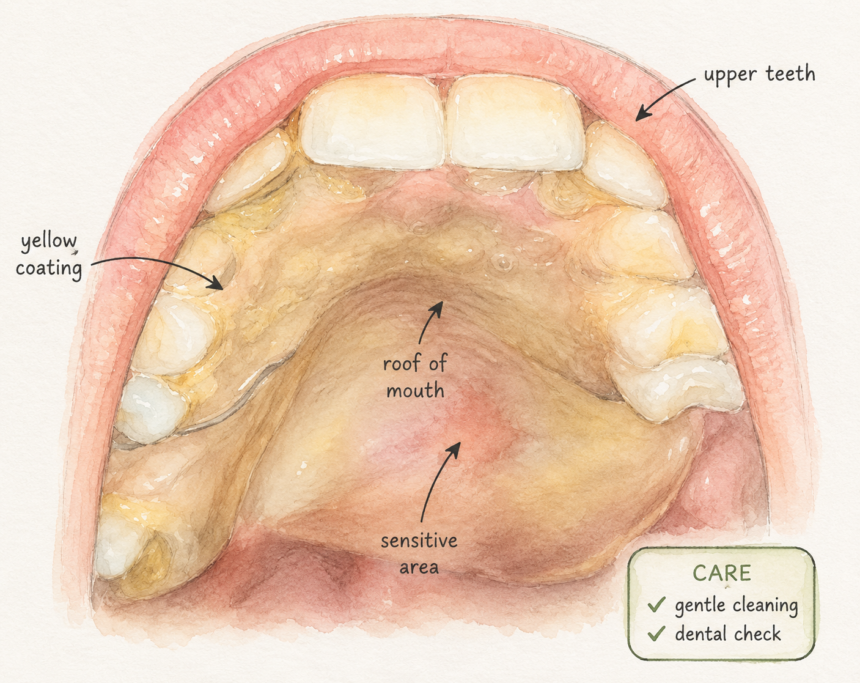
A yellow roof of the mouth can look worrying, especially when you notice it suddenly while brushing, eating, or checking your mouth in the mirror. The roof of the mouth is also called the palate. It has two main parts. The front firm part is called the hard palate. The softer back part is called the soft palate. A yellow color can appear on either area, or it may look like the whole top of the mouth has changed shade.
In many cases, a yellow roof of the mouth is linked with simple causes such as dry mouth, mouth breathing, plaque buildup, food stains, smoking, mild irritation, or poor oral cleaning. Sometimes it may be linked with oral thrush, infection, acid reflux, medicine effects, or a health issue such as jaundice. A yellow color alone does not always mean something serious, but it should not be ignored if it comes with pain, bleeding, swelling, fever, bad smell, white patches, trouble swallowing, or yellow eyes.
This guide explains the possible causes, signs to watch for, home care steps, and when to see a dentist or doctor. It is written in simple words so you can understand what may be happening and what to do next.
| Main point | Simple meaning |
|---|---|
| Yellow roof of mouth | A color change on the top part of the mouth |
| Common mild causes | Dry mouth, staining, plaque, irritation |
| Possible infection cause | Oral thrush or bacterial infection |
| Medical concern | Jaundice if eyes or skin are also yellow |
| Best first step | Check symptoms and improve mouth care |
| When to get help | Pain, bleeding, swelling, fever, or color change lasting more than two weeks |
What the Roof of the Mouth Normally Looks Like
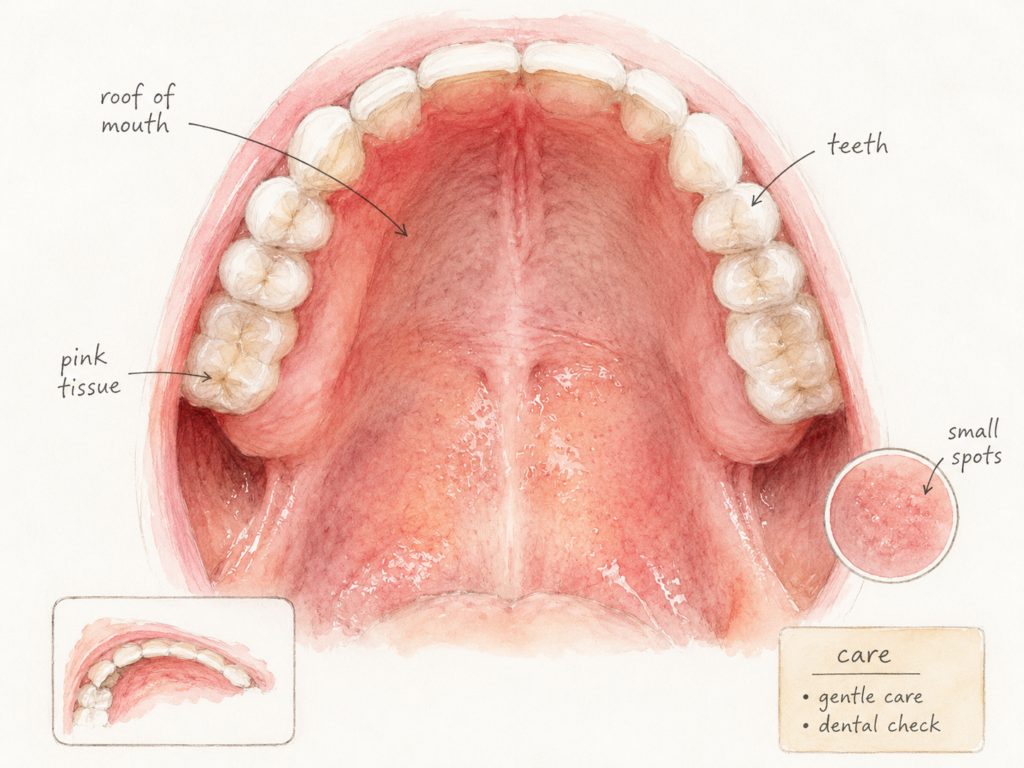
The roof of the mouth does not look the same in everyone. Some people have a light pink palate. Some have a slightly pale shade. Some people have natural color differences, spots, or small raised areas. The color can also change slightly after eating, drinking, brushing, or having a dry mouth.
A healthy palate is usually smooth or lightly textured. It should not have a painful sore, open wound, thick patch, bleeding area, or growing lump. If the yellow color is mild and goes away after cleaning, drinking water, or waiting a short time, it may not be serious. If it stays, grows, hurts, or comes with other symptoms, it needs attention.
| Normal feature | Usually okay when |
|---|---|
| Light pink color | No pain, swelling, or bleeding |
| Slight color difference | Stable for a long time |
| Small natural bumps | Not painful or changing |
| Mild dryness | Improves with water |
| Temporary stain | Goes away after cleaning |
Why the Palate Can Change Color
The palate can change color because it is covered by soft tissue. This tissue can react to dryness, heat, food color, bacteria, yeast, acid, tobacco, dental appliances, and general health changes. Since the top of the mouth is not easy to clean or inspect, small changes may not be noticed early.
A yellow shade can come from surface coating, irritation, infection, staining, or a deeper body issue. The color alone is not enough to know the exact cause. The pattern and other symptoms matter more.
Common color change clues include:
- Yellow coating that wipes away
- Yellow patches with soreness
- Yellow color with dry mouth
- Yellow color with bad breath
- Yellow roof of mouth with white patches
- Yellow color with bitter taste
- Yellow mouth with yellow eyes
- Yellow area after hot food or burns
| Clue | Possible meaning |
|---|---|
| Wipes away easily | Surface coating or food stain |
| Comes with dry mouth | Mouth breathing or low saliva |
| Comes with white patches | Possible thrush |
| Comes with pain | Irritation, burn, sore, or infection |
| Comes with yellow eyes | Possible jaundice concern |
| Lasts more than two weeks | Needs dental or medical check |
Common Causes of a Roof of the Mouth Yellow
A yellow roof of the mouth can happen for many reasons. Some are simple and easy to fix. Others need a dentist or doctor. The most useful way to think about it is to separate local mouth causes from whole-body causes. Local causes start inside the mouth. Whole-body causes affect more than the mouth.
Local causes include dry mouth, poor cleaning, food stains, oral thrush, smoking, mouth breathing, acid reflux, dental appliances, or irritation from hot foods. Whole-body causes may include jaundice, medicine effects, dehydration, or immune system problems.
Dental care note:
A yellow palate is a sign, not a diagnosis. The real cause depends on the full picture.
| Cause group | Examples |
|---|---|
| Dryness | Mouth breathing, dehydration, low saliva |
| Staining | Coffee, tea, spices, tobacco |
| Infection | Oral thrush, bacterial irritation |
| Irritation | Hot food burn, sharp food, dental appliance rubbing |
| Health issue | Jaundice, medicine reaction, weak immune system |
| Hygiene issue | Plaque, bacteria, coated tongue spreading to palate |
Quick Cause Guide
This table can help you compare possible causes. It does not replace a dentist or doctor, but it can help you understand what signs matter.
| What you notice | Possible cause | Best next step |
|---|---|---|
| Yellow coating and bad breath | Plaque or bacteria buildup | Improve oral cleaning and see dentist if it stays |
| Yellow color with dry sticky mouth | Dry mouth or mouth breathing | Drink water, check medicines, ask dentist |
| Yellow with white creamy patches | Oral thrush possible | Dentist or doctor check |
| Yellow after spicy or colored food | Food staining | Rinse, brush, and watch |
| Yellow with burning pain | Irritation or burn | Avoid hot foods and get checked if not healing |
| Yellow with yellow eyes | Possible jaundice | Contact a doctor |
| Yellow patch that grows | Needs professional check | Dentist or doctor visit |
Dry Mouth and Mouth Breathing
Dry mouth is one of the most common reasons the roof of the mouth may look yellow, coated, or dull. Saliva helps wash the mouth. It clears food particles, balances acids, and keeps germs under control. When saliva is low, bacteria and debris can stay longer on the tongue, gums, teeth, and palate.
Mouth breathing can make the palate dry, especially during sleep. A person may wake with a sticky mouth, bad breath, dry lips, or a rough feeling on the roof of the mouth. Over time, dryness can make the palate look yellow or coated.
| Dry mouth sign | What it may feel like |
|---|---|
| Sticky mouth | Mouth feels thick or dry |
| Bad breath | Smell returns quickly |
| Dry lips | Cracking or peeling |
| Thick saliva | Harder to swallow |
| Burning feeling | Tissue feels irritated |
| More plaque | Teeth feel fuzzy |
| Yellow coating | Palate or tongue looks stained |
What Can Cause Dry Mouth
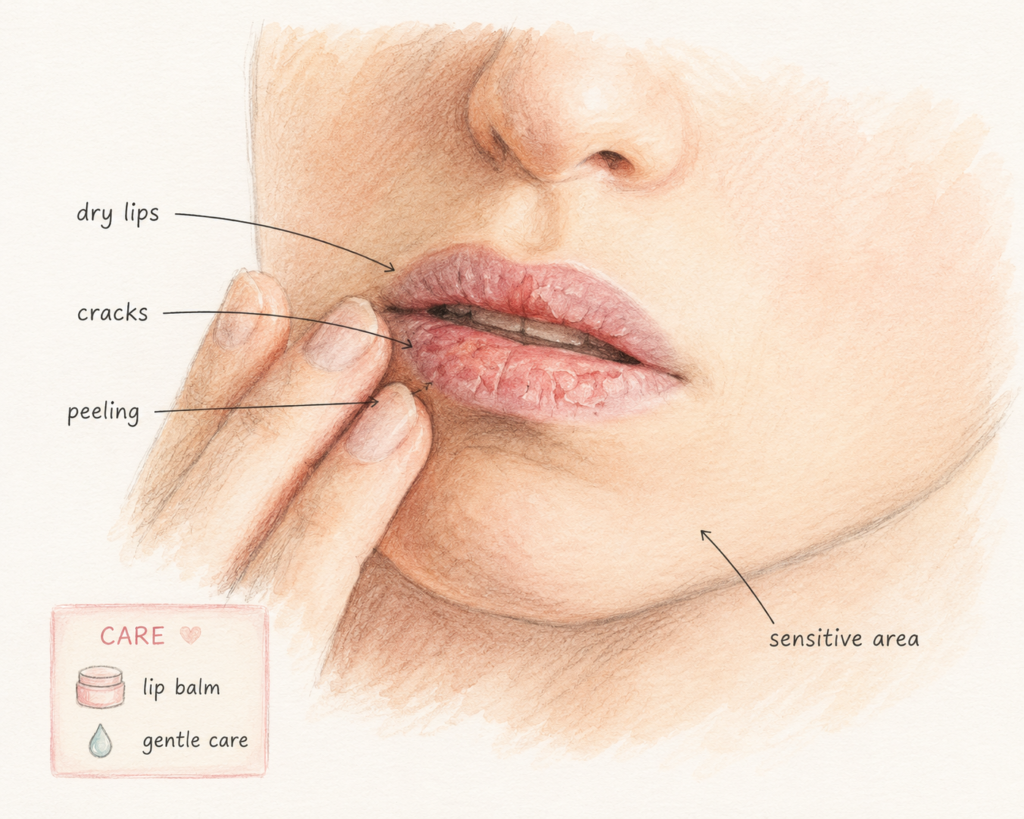
Dry mouth can happen for many reasons. It may come from dehydration, mouth breathing, snoring, anxiety, certain medicines, smoking, alcohol, caffeine, or some health conditions. It can also happen after some medical treatments.
If dry mouth happens once in a while, it may improve with water and better habits. If it happens daily, it should be checked because long-term dry mouth can increase the risk of cavities, gum disease, mouth sores, and oral yeast infections.
Common dry mouth causes include:
- Not drinking enough water
- Sleeping with the mouth open
- Snoring
- Blocked nose
- Some allergy medicines
- Some blood pressure medicines
- Some anxiety or depression medicines
- Smoking or chewing tobacco
- Alcohol use
- Too much caffeine
- Diabetes or other health conditions
- Radiation treatment to the head or neck
| Cause | Simple fix or next step |
|---|---|
| Dehydration | Drink water through the day |
| Mouth breathing | Check nose blockage or snoring |
| Medicine side effect | Ask doctor or pharmacist |
| Smoking | Ask for help to stop |
| Alcohol or caffeine | Reduce intake |
| Long-term dryness | See dentist or doctor |
How to Help a Dry Yellow Palate
If dryness is the reason, the main goal is to bring moisture back and lower bacteria buildup. You do not need harsh scrubbing. Gentle care works better.
Helpful steps include:
- Sip water often
- Brush teeth twice daily
- Clean the tongue gently
- Rinse with water after meals
- Use alcohol-free mouth rinse if advised
- Avoid smoking and tobacco
- Limit very salty foods
- Use a humidifier at night if air is dry
- Ask about dry mouth gel or saliva support products
- Get a dental check if dryness continues
| Helpful habit | Why it helps |
|---|---|
| Water sipping | Keeps mouth moist |
| Tongue cleaning | Lowers coating and odor |
| Gentle brushing | Removes plaque |
| Alcohol-free rinse | Less drying than strong rinses |
| Humidifier | Helps night dryness |
| Dental visit | Finds cause and protects teeth |
Poor Oral Hygiene and Bacteria Buildup
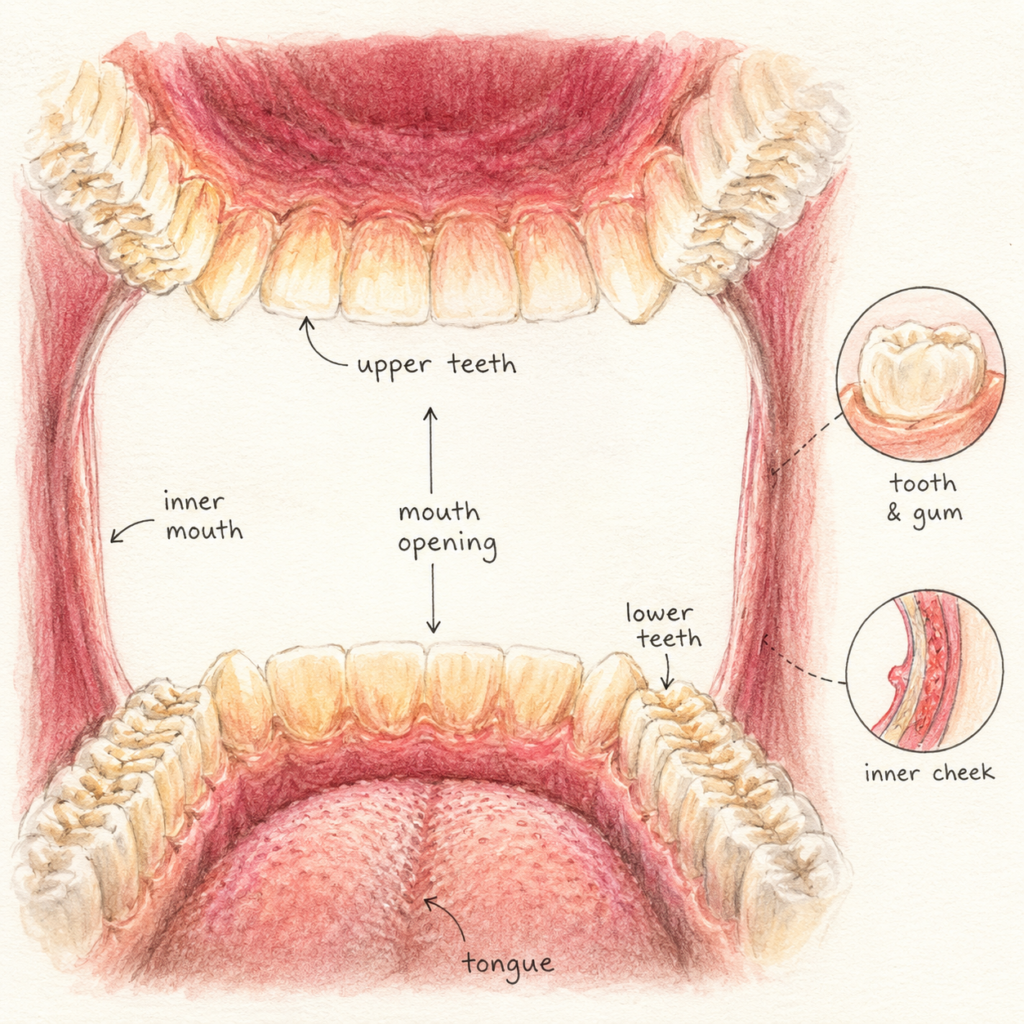
Poor oral cleaning can allow plaque, bacteria, and food particles to build up. Many people brush their teeth but do not clean the tongue or rinse the palate well. A coated tongue can also affect the top of the mouth because the tongue touches the palate often.
Bacteria can create colored pigments and bad smell. The mouth may feel sticky or taste unpleasant. The yellow color may be more obvious in the morning because saliva flow is lower during sleep.
Dental care note:
The palate does not need hard scrubbing, but the whole mouth needs regular cleaning.
| Hygiene-related sign | Possible meaning |
|---|---|
| Bad breath | Bacteria buildup |
| Yellow tongue too | Coating may be spreading |
| Fuzzy teeth | Plaque buildup |
| Bleeding gums | Gum inflammation |
| Bitter taste | Bacteria, reflux, or dry mouth |
| Morning coating | Low night saliva |
Better Mouth Cleaning Routine
A simple routine can reduce surface coating and help the palate look healthier. Do not scrape the roof of the mouth roughly. The tissue is delicate and can get sore.
A better routine includes:
- Brush teeth for two minutes
- Use fluoride toothpaste
- Brush along the gum line
- Clean the tongue gently
- Floss daily
- Rinse with water after meals
- Replace old toothbrushes
- Clean retainers or dentures if used
- Visit the dentist for tartar removal
| Cleaning step | Why it matters |
|---|---|
| Brushing teeth | Removes plaque from tooth surfaces |
| Flossing | Cleans between teeth |
| Tongue cleaning | Reduces coating and bad breath |
| Water rinse | Clears food and color |
| Dental cleaning | Removes tartar at gum line |
| Appliance cleaning | Stops germs from building up |
Food, Drinks, and Staining
Some foods and drinks can stain the mouth for a short time. Turmeric, curry, saffron, yellow candies, colored drinks, coffee, tea, and some sauces may leave a yellow tint. Usually, this type of color change improves after rinsing, brushing, or waiting.
Food stains are more likely to stay when the mouth is dry. A dry palate can hold color longer because there is less saliva to wash it away.
| Staining item | Why it may affect the palate |
|---|---|
| Turmeric or curry | Strong yellow pigment |
| Coffee or tea | Dark pigments and dry mouth effect |
| Colored sweets | Artificial colors |
| Spiced sauces | Pigments can stick |
| Smoking or tobacco | Staining and dryness |
| Certain medicines | Can change mouth color or taste |
How to Tell If It Is Just Staining
Staining is usually mild and temporary. It often appears after eating or drinking something colored. It does not usually cause pain, swelling, bleeding, or open sores.
Signs it may be simple staining include:
- It started after eating colored food
- It fades after brushing or rinsing
- There is no pain
- There is no swelling
- The eyes and skin are not yellow
- It does not return unless the same food is eaten
- The tongue may be stained too
| Stain clue | What to do |
|---|---|
| Color fades quickly | Rinse and monitor |
| Color returns after same food | Food pigment likely |
| No pain or sore | Less concerning |
| Stain stays many days | Dental check may help |
| Stain with rough patch | Get checked |
Oral Thrush and Yellow White Patches
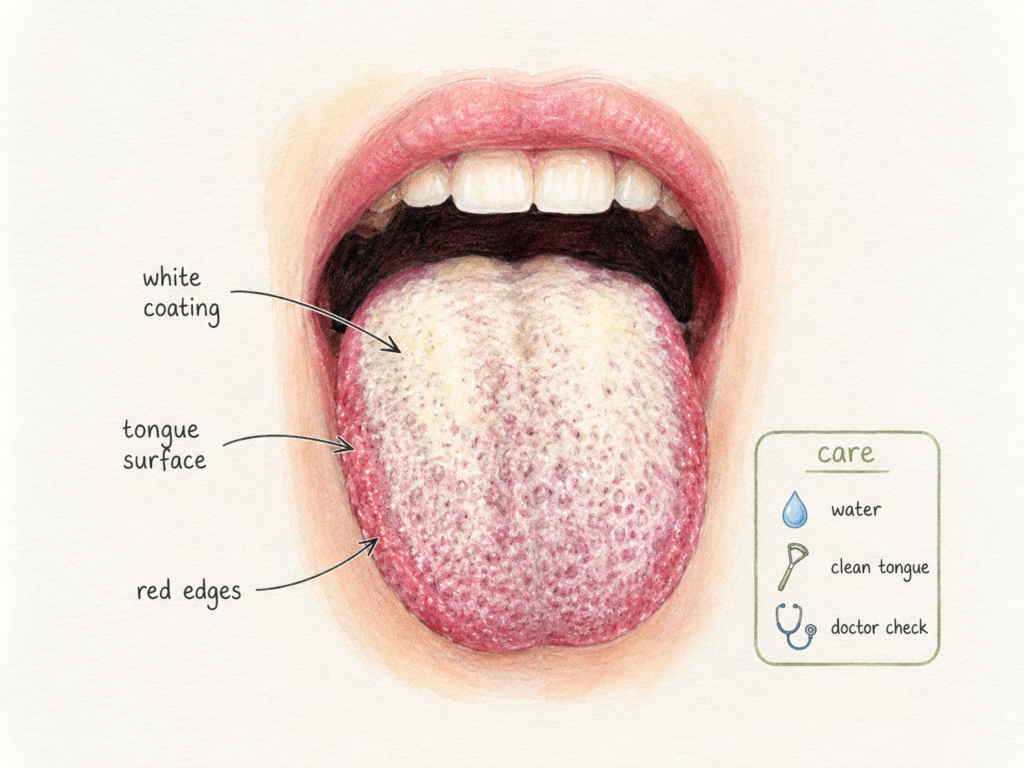
Oral thrush is a yeast infection in the mouth. It is caused by overgrowth of Candida, a yeast that can live in the mouth normally. When it grows too much, it can cause creamy white patches. Sometimes these patches may look yellowish, especially if mixed with food stain, dryness, or irritation.
Thrush can appear on the tongue, inner cheeks, gums, tonsils, and roof of the mouth. It may cause soreness, burning, cottony feeling, loss of taste, cracks at the mouth corners, or bleeding if patches are rubbed.
Oral care note:
Do not scrape patches hard. If it is thrush, rubbing can make the tissue bleed and feel worse.
| Thrush sign | What it may look or feel like |
|---|---|
| White or yellow white patches | Creamy coating on mouth tissue |
| Soreness | Burning or tender feeling |
| Cottony mouth | Thick or coated feeling |
| Loss of taste | Food tastes dull |
| Cracks at corners | Red or sore mouth corners |
| Bleeding when rubbed | Tissue may be irritated |
Who Is More Likely to Get Thrush
Thrush can happen to anyone, but some people have a higher risk. It is more common when the immune system is weaker or when the mouth environment changes.
Higher-risk groups include:
- Babies
- Older adults
- People wearing dentures
- People using inhaled steroid medicine
- People taking antibiotics
- People with diabetes
- People with dry mouth
- People with weak immune systems
- People undergoing cancer treatment
- People with poor denture cleaning
| Risk factor | Why it matters |
|---|---|
| Antibiotics | Can change mouth germs |
| Inhaled steroids | Can affect mouth balance |
| Dentures | Can hold yeast if not cleaned |
| Diabetes | Yeast may grow more easily |
| Dry mouth | Less saliva protection |
| Weak immune system | Harder to control yeast |
What to Do If Thrush Is Possible
Thrush usually needs proper diagnosis and treatment. A dentist or doctor may look in the mouth and sometimes take a small sample. Treatment often uses antifungal medicine. Home care can support healing, but it should not replace treatment if symptoms are clear.
Helpful steps include:
- See a dentist or doctor
- Do not share toothbrushes
- Replace toothbrush after treatment starts if advised
- Clean dentures daily
- Rinse after using inhaled steroid medicine
- Manage dry mouth
- Keep diabetes controlled if relevant
- Avoid smoking
- Avoid harsh mouthwashes that burn
| What not to do | Why |
|---|---|
| Scrape patches hard | Can cause bleeding |
| Ignore painful patches | Infection may worsen |
| Share oral items | Not hygienic |
| Keep dirty dentures in | Yeast can return |
| Stop prescribed medicine early | Symptoms may come back |
Jaundice and Yellow Mouth Tissue
Jaundice means the skin and whites of the eyes look yellow because bilirubin is high in the body. Bilirubin is a yellow substance made when red blood cells break down. The liver normally processes it. If bilirubin builds up, yellow color may appear in the eyes and skin. In some cases, mouth tissue may also look yellow.
A yellow roof of the mouth alone does not prove jaundice. But if the roof of the mouth looks yellow and the eyes or skin also look yellow, this needs medical advice. Dark urine, pale stools, stomach pain, fever, nausea, unusual tiredness, or itching can also be warning signs.
Medical care note: Yellow eyes with a yellow mouth should be treated as a medical clue, not just a dental issue.
| Jaundice-related sign | Why it matters |
|---|---|
| Yellow whites of eyes | Strong jaundice clue |
| Yellow skin | Needs medical check |
| Dark urine | Possible bilirubin issue |
| Pale stools | Possible bile flow issue |
| Tiredness or nausea | May point to body illness |
| Fever with yellowing | Needs urgent advice |
| Right upper belly pain | Needs medical check |
When Yellow Mouth Color May Need a Doctor
If yellow color is only on the palate after food or with dry mouth, it may be local. If yellow color appears in the eyes or skin too, a doctor should be contacted.
See a doctor soon if you notice:
- Yellow eyes
- Yellow skin
- Dark brown or orange urine
- Pale or clay-colored stool
- Fever
- Vomiting
- Bad stomach pain
- Severe tiredness
- Confusion
- Yellow color spreading beyond the mouth
| Symptom pattern | Best action |
|---|---|
| Yellow palate only after food | Rinse, clean, monitor |
| Yellow palate with dry mouth | Improve moisture and check if it stays |
| Yellow palate with white patches | See dentist or doctor |
| Yellow palate with yellow eyes | Contact doctor |
| Yellowing with fever or severe pain | Urgent medical care |
Acid Reflux and Yellow Irritation
Acid reflux happens when stomach acid moves up toward the throat or mouth. Some people notice a sour taste, burning throat, bad breath, dry cough, or morning mouth irritation. Acid can irritate the soft tissues in the mouth and throat. It may also make the mouth feel coated or bitter.
Acid reflux does not always turn the palate yellow by itself, but it can add to dryness, irritation, bad taste, and surface coating. If reflux happens at night, the roof of the mouth may feel sore or strange in the morning.
| Reflux clue | What it may feel like |
|---|---|
| Sour taste | Acid coming up |
| Burning throat | Irritation |
| Morning bad breath | Night reflux or dry mouth |
| Hoarseness | Throat irritation |
| Bitter taste | Acid or bile taste |
| Dry mouth | Mouth breathing or reflux irritation |
Simple Reflux Support Steps
If reflux is part of the problem, mouth cleaning alone may not fix it. Lifestyle changes and medical advice may help.
Simple support steps include:
- Avoid eating close to bedtime
- Drink water after acidic taste
- Avoid very spicy meals if they trigger symptoms
- Reduce late-night heavy meals
- Raise the head of the bed if advised
- Avoid smoking
- Ask a doctor if reflux happens often
- Do not brush right after strong acid exposure
- Rinse with water first
| Habit | Why it may help |
|---|---|
| Earlier dinner | Less night reflux |
| Water rinse | Clears acid taste |
| Smaller night meals | Less pressure on stomach |
| Doctor advice | Helps frequent reflux |
| Avoid triggers | Reduces irritation |
Smoking, Tobacco, and Palate Color
Smoking and tobacco can stain mouth tissues, dry the mouth, irritate the palate, and raise the risk of gum disease and oral cancer. Tobacco smoke can also affect blood flow and healing in the mouth. A yellow or brownish roof of the mouth may be more noticeable in people who smoke or use tobacco.
Tobacco-related changes should be taken seriously if there are patches, sores, rough areas, bleeding, or changes that do not heal. A dentist can check whether the color is stain, irritation, infection, or something more serious.
| Tobacco-related effect | What it can cause |
|---|---|
| Staining | Yellow or brown color |
| Dry mouth | Coating and bad breath |
| Irritation | Sore or rough tissue |
| Gum disease risk | Bleeding and swelling |
| Slower healing | Sores may last longer |
| Oral cancer risk | Needs regular checks |
Mouth Signs Smokers Should Not Ignore
Anyone can get mouth problems, but tobacco use raises concern when mouth changes appear. If a yellow patch does not go away or is mixed with white, red, rough, or painful areas, it should be checked.
Watch for:
- Sores that do not heal
- White or red patches
- Yellow brown patches that grow
- Bleeding without clear cause
- Lump on the palate
- Pain in one spot
- Loose teeth
- Numbness
- Trouble swallowing
- Ear pain with mouth symptoms
| Warning sign | Best action |
|---|---|
| Patch lasting more than two weeks | Dental or medical check |
| Lump or thick area | Get checked |
| Bleeding sore | Get checked soon |
| Pain with swallowing | Medical advice |
| White or red patch | Dentist should examine it |
Burns and Food Irritation
Hot food and drinks can burn the roof of the mouth. Pizza, hot tea, coffee, soup, and fried foods are common causes. A burn may first look red, then pale, yellowish, or peeling as it heals. It can feel tender, rough, or painful when eating.
A small burn usually heals on its own within days. A deeper burn, large wound, or sore that lasts longer needs a dental or medical check.
| Burn sign | What it may mean |
|---|---|
| Pain after hot food | Thermal burn |
| Peeling skin | Healing surface layer |
| Yellowish area | Healing tissue or coating |
| Tender palate | Irritated tissue |
| Pain with spicy food | Surface still healing |
| Open sore | Needs careful care |
How to Care for a Burned Palate
The main goal is to protect the area while it heals. Avoid anything that rubs, burns, or irritates it.
Helpful steps include:
- Let hot foods cool before eating
- Drink cool water
- Eat soft foods for a few days
- Avoid spicy foods
- Avoid sharp chips and crusty bread
- Do not pick peeling tissue
- Keep brushing gently
- Rinse with plain water
- Seek care if pain is severe or not improving
| Helpful food | Food to avoid while sore |
|---|---|
| Yogurt | Hot pizza |
| Smooth soup that is not hot | Chips |
| Soft eggs | Spicy curry |
| Mashed potato | Hard toast |
| Banana | Very hot tea |
| Soft rice | Acidic drinks |
Dental Appliances, Dentures, and Retainers
Dentures, retainers, night guards, and other appliances can affect the roof of the mouth. If they are not cleaned well, they can hold bacteria, yeast, and food particles. If they fit poorly, they can rub the palate and cause redness, soreness, yellow coating, or infection.
Denture-related thrush is also possible. The tissue under a denture can become red, sore, or coated. People may notice bad breath, burning, or a bad taste.
Dental care note: An appliance that touches the palate should be cleaned every day and checked if it rubs.
| Appliance issue | Possible result |
|---|---|
| Poor cleaning | Germ buildup |
| Loose fit | Rubbing and soreness |
| Wearing too long | Tissue irritation |
| Sleeping in dentures | Higher yeast risk for some people |
| Cracked appliance | Rough edges |
| Old appliance | Poor fit over time |
How to Care for Appliances
Good appliance care can reduce yellow coating and irritation. Follow your dentist’s instructions because different appliances need different cleaning methods.
Helpful care steps include:
- Clean appliance daily
- Rinse after meals
- Brush gums and palate gently
- Do not wear a painful appliance without advice
- Store dentures as advised
- Keep appliance away from pets
- See dentist if fit changes
- Replace damaged appliances
- Do not use harsh cleaners in the mouth
| Care step | Why it helps |
|---|---|
| Daily cleaning | Reduces germs |
| Palate brushing | Keeps tissue healthier |
| Fit check | Stops rubbing |
| Removing when advised | Lets tissue rest |
| Dental review | Finds pressure spots |
Medicines That Can Affect Mouth Color or Moisture
Some medicines can dry the mouth, change taste, or affect the balance of germs in the mouth. Dry mouth from medicine can lead to coating, bad breath, and oral yeast overgrowth. Antibiotics can sometimes increase the chance of thrush because they change the normal germ balance.
Some medicines or products can also stain the tongue or mouth. If the yellow roof of the mouth started after a new medicine, supplement, mouthwash, or oral product, mention it to a dentist, doctor, or pharmacist.
| Medicine-related issue | Mouth effect |
|---|---|
| Dry mouth side effect | Coating and bad breath |
| Antibiotics | Thrush risk in some people |
| Inhaled steroids | Thrush risk if mouth is not rinsed |
| Colored liquids | Temporary staining |
| Bismuth products | Tongue or mouth discoloration possible |
| Strong mouthwash | Burning or dryness |
What to Ask About Medicines
Do not stop prescribed medicine without speaking with a clinician. Instead, ask whether the medicine could be causing dry mouth or mouth changes.
Helpful questions include:
- Can this medicine cause dry mouth?
- Can it change mouth color or taste?
- Could it raise thrush risk?
- Should I rinse after using it?
- Is there a safer timing for taking it?
- Can I use saliva support products?
- Should I see a dentist for fluoride support?
| Question | Why it helps |
|---|---|
| Is dry mouth a side effect? | Helps find cause |
| Should I rinse after use? | Reduces mouth irritation |
| Is thrush possible? | Explains patches |
| Can dose timing help? | May reduce symptoms |
| Do I need dental prevention? | Protects teeth and gums |
Oral Cancer Warning Signs
Most yellow palate changes are not oral cancer. Still, any patch, sore, lump, or color change that does not heal should be checked. Oral cancer can appear on the lips, tongue, cheeks, floor of mouth, gums, throat, or roof of the mouth. It may look like a sore, lump, white patch, red patch, mixed color patch, or thickened area.
A yellow patch alone is not a classic sign, but a yellow area mixed with a sore, red or white patch, bleeding, pain, or thick tissue should not be ignored.
Health note: Any mouth sore or patch that lasts more than two weeks should be checked by a dentist or doctor.
| Warning sign | Why it matters |
|---|---|
| Sore that does not heal | Needs exam |
| Lump or thick area | Needs professional check |
| White or red patch | Can be important |
| Bleeding without clear cause | Needs attention |
| Numbness | Nerve irritation possible |
| Trouble swallowing | Needs medical advice |
| Ear pain with mouth changes | Should be checked |
| Loose tooth without reason | Needs dental exam |
Who Needs Extra Care
Some people have a higher risk of serious mouth changes. Risk does not mean cancer will happen, but it does mean regular checks are important.
Higher concern groups include:
- People who smoke
- People who use chewing tobacco
- People who drink alcohol heavily
- People with HPV-related risk
- People with long-term mouth irritation
- People with weak immune systems
- People with a family history of cancers
- People with a patch that keeps returning
- People with mouth sores that do not heal
| Risk factor | Best habit |
|---|---|
| Tobacco use | Regular dental checks |
| Alcohol overuse | Medical and dental support |
| Non-healing sore | Prompt exam |
| Repeated patches | Ask for diagnosis |
| Weak immune system | Get changes checked early |
Infection Other Than Thrush
Not every infection in the mouth is thrush. Bacterial infections, viral sores, sinus drainage, tonsil problems, or throat infections can change the way the mouth looks or smells. A yellow coating near the back of the roof of the mouth may sometimes be linked with mucus, postnasal drip, or throat irritation.
If the yellow area comes with fever, swollen glands, pus, severe pain, or trouble swallowing, it needs medical advice. A dentist can check mouth tissue, while a doctor can check throat, sinus, or body symptoms.
| Infection clue | Possible concern |
|---|---|
| Fever | Body infection |
| Swollen glands | Immune response |
| Pus or bad taste | Infection or drainage |
| Sore throat | Throat infection or postnasal drip |
| Painful swallowing | Needs medical check |
| Mouth ulcers | Viral or other causes |
When Infection Needs Faster Care
Some mouth infections are mild, but others can worsen. Do not wait if symptoms are strong or spreading.
Get help quickly if you have:
- Fever with mouth sores
- Swelling of face or jaw
- Trouble swallowing
- Trouble breathing
- Severe throat pain
- Pus
- Bad taste with swelling
- Pain that keeps getting worse
- Weak immune system and mouth patches
| Symptom | Best action |
|---|---|
| Mild irritation only | Monitor and improve care |
| Fever and sore mouth | Call doctor or dentist |
| Swelling | Seek urgent advice |
| Trouble breathing | Emergency help |
| White yellow patches with pain | Get checked |
How Dentists and Doctors Check a Yellow Palate
A dentist or doctor will look at the color, shape, texture, and location of the yellow area. They may ask when it started, whether it hurts, what foods or medicines you use, whether you smoke, and whether you have dry mouth or reflux. They may also check the tongue, gums, throat, teeth, dentures, and lymph nodes.
If thrush is suspected, they may treat it or take a sample. If jaundice is possible, a doctor may order blood tests. If a patch looks suspicious, a dentist or doctor may refer you for further testing.
| Check | What it helps find |
|---|---|
| Mouth exam | Stains, sores, patches, swelling |
| Tongue and gum check | Coating or gum disease |
| Denture or retainer check | Rubbing or yeast buildup |
| Medicine review | Dry mouth or staining cause |
| Blood tests | Jaundice or health issues |
| Sample or biopsy | Unclear or suspicious patches |
What to Tell the Dentist or Doctor
Clear details help the professional find the cause faster. Try to explain the timing and symptoms simply.
Tell them:
- When you first noticed the yellow color
- Whether it is getting better or worse
- If it wipes away
- If there is pain or burning
- If you have bad taste or bad breath
- If you have dry mouth
- If you use dentures or retainers
- If you started a new medicine
- If your eyes or skin look yellow
- If you smoke or use tobacco
- If you have fever or sore throat
| Detail | Why it matters |
|---|---|
| Timing | Shows if sudden or long-term |
| Pain level | Helps judge irritation or infection |
| Wipes away or not | Helps separate coating from tissue change |
| Other symptoms | Points to mouth or body cause |
| Medicine changes | Finds dry mouth or staining |
| Appliance use | Finds rubbing or yeast risk |
Home Care for a Mild Yellow Roof of Mouth
If the yellow color is mild, painless, and linked with dryness or staining, home care may help. The main goals are to clean gently, improve moisture, reduce irritants, and watch for changes.
Do not use harsh scrubbing, strong chemicals, or sharp tools on the palate. The tissue can be injured easily.
| Home care goal | Simple action |
|---|---|
| Remove surface coating | Gentle brushing and rinsing |
| Reduce dryness | Sip water and manage mouth breathing |
| Lower bacteria | Brush, floss, tongue clean |
| Reduce irritation | Avoid hot, spicy, sharp foods |
| Watch changes | Check daily in good light |
| Seek help if needed | Book dentist or doctor visit |
Gentle Daily Mouth Routine
A gentle routine can improve many mild mouth color changes. Keep it simple and consistent.
Try this routine:
- Brush teeth twice daily
- Use fluoride toothpaste
- Clean tongue gently
- Rinse mouth with water after meals
- Floss daily
- Drink enough water
- Avoid smoking and tobacco
- Avoid alcohol-heavy mouth rinses
- Clean dentures or retainers daily
- Replace toothbrush every few months
| Routine step | Why it helps |
|---|---|
| Brushing | Removes plaque |
| Flossing | Cleans hidden food |
| Tongue cleaning | Reduces coating |
| Water rinse | Clears food color |
| Hydration | Supports saliva |
| Appliance cleaning | Reduces yeast and bacteria |
Foods and Drinks to Choose While It Heals
If the palate is irritated, choose foods that do not scratch or burn the area. This can help the tissue calm down.
Better choices include:
- Cool water
- Yogurt
- Soft rice
- Soft eggs
- Smooth soup that is not hot
- Banana
- Mashed potatoes
- Soft pasta
- Oatmeal that is not too hot
- Mild foods without heavy spice
| Choose | Avoid for now |
|---|---|
| Soft foods | Sharp chips |
| Cool drinks | Very hot tea |
| Mild meals | Spicy sauces |
| Smooth foods | Hard crusty bread |
| Water | Acidic drinks if they sting |
What Not to Do
When someone sees a yellow patch, it can be tempting to scrape it hard or try many strong rinses. This can make the palate sore and may hide the real problem. Gentle care is safer.
If the yellow area is an infection, strong scraping will not cure it. If it is a suspicious patch, delaying professional care is risky. If it is jaundice, mouth cleaning will not fix the body cause.
| Mistake | Why to avoid it |
|---|---|
| Scraping hard | Can cause bleeding and soreness |
| Using harsh chemicals | Can burn tissue |
| Ignoring yellow eyes | May miss a medical issue |
| Sharing oral items | Not hygienic |
| Smoking more | Worsens irritation |
| Wearing painful denture | Can damage tissue |
| Waiting months | Delays care |
Safer Choices Instead
Choose calm and safe steps. These help without harming the tissue.
Safer choices include:
- Rinse with water
- Brush gently
- Keep the mouth moist
- Stop using irritating products
- Take a clear photo to compare later
- Book a dentist if it lasts
- Contact a doctor if yellow eyes or skin appear
- Avoid self-diagnosis from photos online
- Follow professional advice
| Concern | Safer response |
|---|---|
| Yellow coating | Gentle cleaning and watch |
| Painful patch | Dental check |
| White yellow patches | Ask about thrush |
| Yellow eyes | Doctor visit |
| Sore from denture | Stop wearing if advised and see dentist |
| Patch lasting two weeks | Professional exam |
When to See a Dentist
A dentist is the right person to check most mouth changes, especially if the yellow area is on the palate, gums, tongue, or cheeks. Dentists can look for decay, gum disease, thrush, appliance irritation, burns, sores, and suspicious patches.
You should see a dentist if the yellow area does not improve with gentle care, keeps coming back, or comes with soreness, bleeding, swelling, bad breath, or rough patches.
| Dental visit reason | Why it matters |
|---|---|
| Yellow patch lasts more than two weeks | Needs diagnosis |
| Pain or burning | May be infection or irritation |
| White patches | Thrush possible |
| Bleeding | Tissue may be injured or inflamed |
| Denture soreness | Fit may be wrong |
| Lump or thick area | Needs exam |
| Bad breath with coating | Plaque or infection possible |
What the Dentist May Do
The dentist may examine the mouth, clean plaque or tartar, adjust dentures, prescribe treatment, or refer you to a doctor if the issue seems medical.
A dentist may:
- Look at the palate closely
- Check if the patch wipes away
- Check dentures or retainers
- Look for gum disease
- Check for dry mouth signs
- Ask about medicines
- Treat thrush if suspected
- Refer for testing if needed
- Watch or review the area after treatment
| Dentist action | Purpose |
|---|---|
| Visual exam | Finds visible changes |
| Cleaning | Removes plaque and tartar |
| Appliance adjustment | Stops rubbing |
| Medicine review | Finds dry mouth risk |
| Referral | Checks medical causes |
| Follow-up | Makes sure it heals |
When to See a Doctor
A doctor is needed when the yellow color may be linked with a whole-body issue. This is especially important if the eyes or skin are yellow, urine is dark, stools are pale, or you feel very unwell.
Doctors can check liver health, blood tests, infections, medicine reactions, and other causes that a dentist cannot fully treat.
| Doctor visit reason | Why it matters |
|---|---|
| Yellow eyes | Possible jaundice |
| Yellow skin | Needs medical check |
| Dark urine | Possible bilirubin issue |
| Pale stool | Possible bile flow issue |
| Fever | Infection concern |
| Severe tiredness | Body illness possible |
| Stomach pain | Needs medical review |
Urgent Warning Signs
Some symptoms should be handled quickly. Do not wait for a routine visit if symptoms are severe.
Seek urgent help if you have:
- Trouble breathing
- Trouble swallowing
- Face or throat swelling
- Severe mouth pain
- High fever
- Confusion
- Yellow eyes with feeling very sick
- Heavy bleeding
- Rapidly growing lump
- Severe dehydration
| Urgent sign | Best action |
|---|---|
| Breathing trouble | Emergency help |
| Swallowing trouble | Urgent medical care |
| Face swelling | Urgent care |
| Severe fever | Medical advice |
| Yellow eyes with illness | Doctor quickly |
| Heavy bleeding | Urgent care |
Simple Self-Check at Home
A self-check can help you understand whether the yellow color is changing. It should not replace a professional exam. Use good lighting and a clean mirror. Do not poke the area with sharp objects.
Check the roof of the mouth once daily for a few days. Taking a photo can help you compare, but do not keep touching the area.
| Self-check point | What to notice |
|---|---|
| Color | Light yellow, dark yellow, brown, white, red |
| Shape | Patch, coating, spot, line, whole palate |
| Texture | Smooth, rough, raised, peeling |
| Pain | None, mild, strong |
| Wipes away | Yes or no |
| Other signs | Bad breath, dry mouth, fever, yellow eyes |
Questions to Ask Yourself
These questions can guide your next step.
Ask yourself:
- Did it start after eating colored food?
- Does it go away after rinsing?
- Is my mouth dry often?
- Do I breathe through my mouth at night?
- Do I have white or creamy patches?
- Does it hurt or burn?
- Do I wear dentures or retainers?
- Did I start a new medicine?
- Are my eyes or skin yellow?
- Has it lasted more than two weeks?
| Answer | What it may suggest |
|---|---|
| After food only | Staining possible |
| With dry mouth | Dryness may be involved |
| With white patches | Thrush possible |
| With yellow eyes | Medical check needed |
| Lasts over two weeks | Dentist or doctor check |
| Painful or bleeding | Get checked soon |
Unique Insight: The Palate Contact Map
A helpful way to understand a yellow roof of the mouth is to think about what touches the palate each day. The palate is not isolated. It touches the tongue, food, drinks, smoke, dental appliances, and sometimes stomach acid. It also dries out when you breathe through your mouth.
This is why one person may have a yellow palate from dry mouth, another from thrush, and another from staining. The cause often follows the contact pattern.
| What touches the palate | Possible effect |
|---|---|
| Tongue coating | Transfers bacteria or color |
| Hot food | Burn or peeling |
| Colored food | Temporary stain |
| Denture or retainer | Rubbing or yeast buildup |
| Dry air | Dry mouth coating |
| Smoke | Stain and irritation |
| Acid reflux | Burning and bitter taste |
How to Use the Palate Contact Map
Think about the last few days. What changed? Did you eat strongly colored foods? Did you sleep with a blocked nose? Did you start medicine? Did you wear a retainer longer than usual? Did you have reflux? Did you use a new mouthwash?
Helpful tracking points include:
- Food and drink changes
- New medicines
- Dry mouth mornings
- Snoring or blocked nose
- New dental appliance
- Denture cleaning habits
- Recent antibiotics
- Recent inhaler use
- Smoking or tobacco exposure
- Acid taste at night
| Pattern | Possible clue |
|---|---|
| Worse in morning | Dry mouth or mouth breathing |
| Worse after meals | Food stain or reflux |
| Under denture area | Appliance irritation or yeast |
| With white patches | Thrush possible |
| With yellow eyes | Jaundice concern |
| With sore throat | Infection or reflux |
Prevention Tips
Preventing a yellow roof of the mouth depends on the cause, but the basics are the same. Keep the mouth clean, keep it moist, avoid irritants, manage health conditions, and get regular dental checks.
Good oral care does not need to be harsh. It needs to be steady. A soft toothbrush, fluoride toothpaste, water, floss, and regular dental visits can prevent many mouth problems.
| Prevention step | Why it helps |
|---|---|
| Brush twice daily | Removes plaque |
| Floss daily | Cleans between teeth |
| Clean tongue | Lowers coating |
| Drink water | Supports saliva |
| Avoid tobacco | Reduces staining and risk |
| Clean appliances | Prevents buildup |
| Treat dry mouth | Protects tissues |
| Dental visits | Finds issues early |
Daily Habits That Help
Small daily habits can make the palate healthier.
Try these habits:
- Drink water after waking
- Brush before sleep
- Clean tongue gently
- Avoid sleeping with dirty dentures
- Rinse after using inhaled steroid medicine if prescribed
- Use a humidifier if room air is dry
- Avoid very hot foods
- Rinse after colored foods
- Manage reflux symptoms
- See a dentist for lasting mouth changes
| Habit | Benefit |
|---|---|
| Water after waking | Helps morning dryness |
| Night brushing | Reduces overnight plaque |
| Tongue cleaning | Reduces coating transfer |
| Appliance cleaning | Lowers yeast and bacteria |
| Avoiding tobacco | Protects mouth tissue |
| Regular checks | Catches early problems |
Final Thoughts
A yellow roof of the mouth can happen for many reasons. Some are simple, such as food staining, dry mouth, mouth breathing, plaque buildup, or a mild burn from hot food. Others need care, such as oral thrush, infection, denture irritation, reflux, medicine effects, or jaundice.
The most important thing is to look at the full picture. A yellow color that fades after rinsing or brushing is usually less concerning. A yellow area with pain, white patches, bleeding, swelling, bad taste, or fever should be checked. Yellow eyes or yellow skin need medical advice because that may point to jaundice or another body issue.
Be gentle with the palate. Do not scrape hard or use harsh products. Improve oral hygiene, drink water, clean the tongue, avoid irritants, and watch the area for a few days. If the color does not improve or you feel unsure, book a dentist or doctor visit.
| Final takeaway | Simple meaning |
|---|---|
| Yellow palate has many causes | Not always serious |
| Dry mouth is common | Moisture and cleaning can help |
| White yellow patches may be thrush | Needs proper treatment |
| Yellow eyes are important | Contact a doctor |
| Lasting patches need checking | Do not ignore them |
| Gentle care is best | Avoid harsh scraping |
Simple Closing Checklist
Before you worry too much, check the main warning signs and likely causes.
Ask yourself:
- Did it happen after food or drink?
- Does it wipe away?
- Is my mouth dry?
- Do I breathe through my mouth at night?
- Do I have white patches?
- Does it hurt or bleed?
- Do I use dentures or retainers?
- Did I start a new medicine?
- Are my eyes or skin yellow?
- Has it lasted more than two weeks?
| If you notice this | Best action |
|---|---|
| Mild stain after food | Rinse and monitor |
| Dry mouth | Hydrate and ask dentist if lasting |
| White yellow patches | See dentist or doctor |
| Pain or swelling | Book care soon |
| Yellow eyes or skin | Contact doctor |
| Patch lasting more than two weeks | Get professional exam |