


Can You Eat Right After a Tooth Filling?
Getting a dental filling is one of the most common procedures at the dentist’s office. Millions of people get fillings every year to fix cavities or repair damaged teeth. Filling Can You Eat Right But one of the most frequently asked questions after walking out of the dental chair is: can you eat right away after a filling?
The short answer is — it depends After a Filling Can You Eat Right away. It depends on what type of filling you received, how your mouth feels, and what kind of food you are thinking about eating. This article covers everything you need to know about eating after a filling, including what to avoid, what is safe, how long to wait, and what can go wrong if you rush back to your meal too soon.
What Happens During a Dental Filling
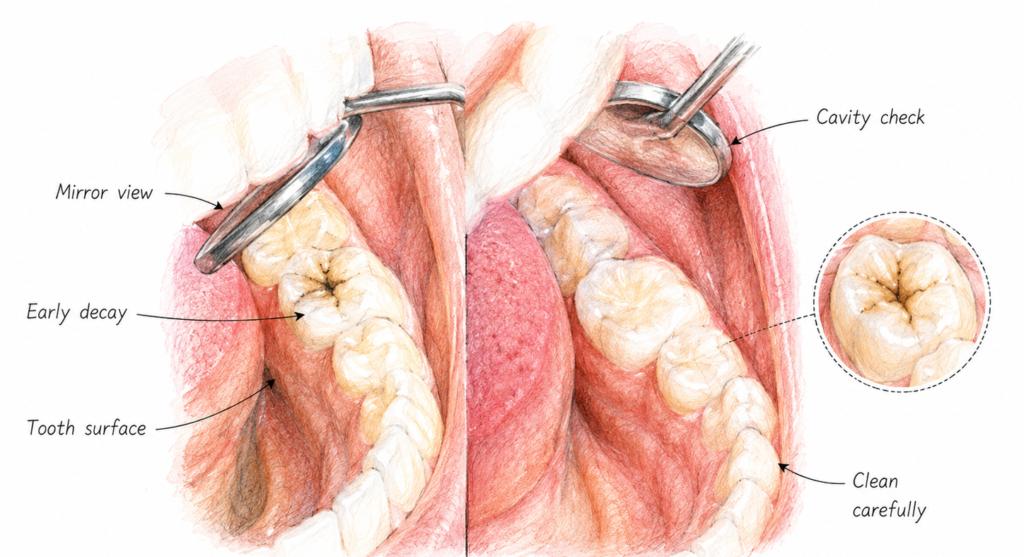
Before talking about eating, it helps to understand what actually happens inside your mouth during a filling procedure. When a dentist removes a cavity, they drill out the decayed part of the tooth and then fill the space with a material to restore its shape and function. This material needs to harden or bond properly to do its job.
There are two main types of fillings used today. The first is amalgam, which is the silver-colored type. The second is composite resin, which is the tooth-colored type that most dentists now use because it looks more natural.
Each type behaves differently once it is placed in your mouth, and this difference directly affects how long you need to wait before eating.
Amalgam Fillings and Eating
Amalgam fillings are made from a combination of metals including mercury, silver, tin, and copper. They have been used for over 150 years and are known for being durable. However, they do not harden instantly. Even though they feel firm relatively quickly, they continue to harden and fully set over the following 24 hours.
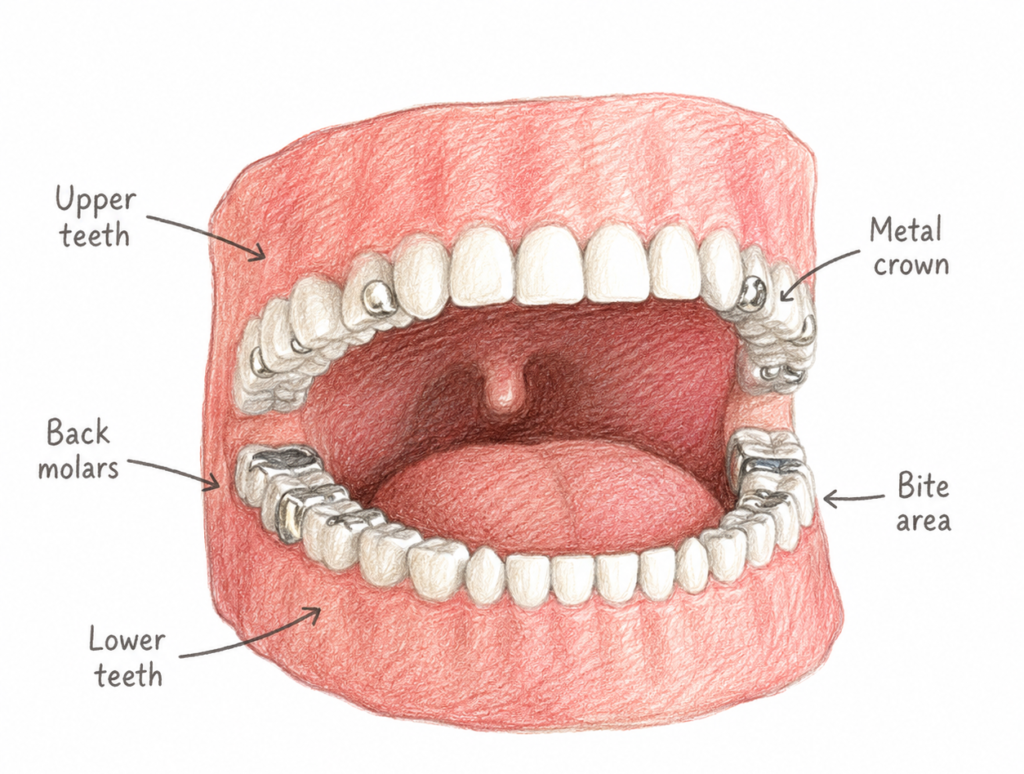
Because of this slow hardening process, most dentists recommend waiting at least 24 hours before After a Filling Can You Eat Right away chewing on the side of your mouth where the amalgam filling was placed. During the first few hours, the filling is at its weakest. Biting down on hard food too soon can crack, shift, or dislodge the filling.
Waiting period guidelines for amalgam fillings:
Eating Timeline After a Dental Filling
| Time After Filling | What You Should Do First |
|---|---|
| 1 to 2 hours | Do not eat anything, especially while numbness from anesthesia is still present. |
| 2 to 24 hours | Eat soft foods only and avoid chewing on the filled side. |
| After 24 hours | Gradually return to normal eating habits. |
| After 48 to 72 hours | Full chewing strength is usually safe on the filled tooth. |
Composite Resin Fillings and Eating
Composite resin fillings are quite different from amalgam when it comes to setting time. These fillings are hardened using a special blue UV light that the dentist shines directly on the material during the procedure. This process is called light-curing, and it means the filling reaches its hardest state before you even leave the dental chair.
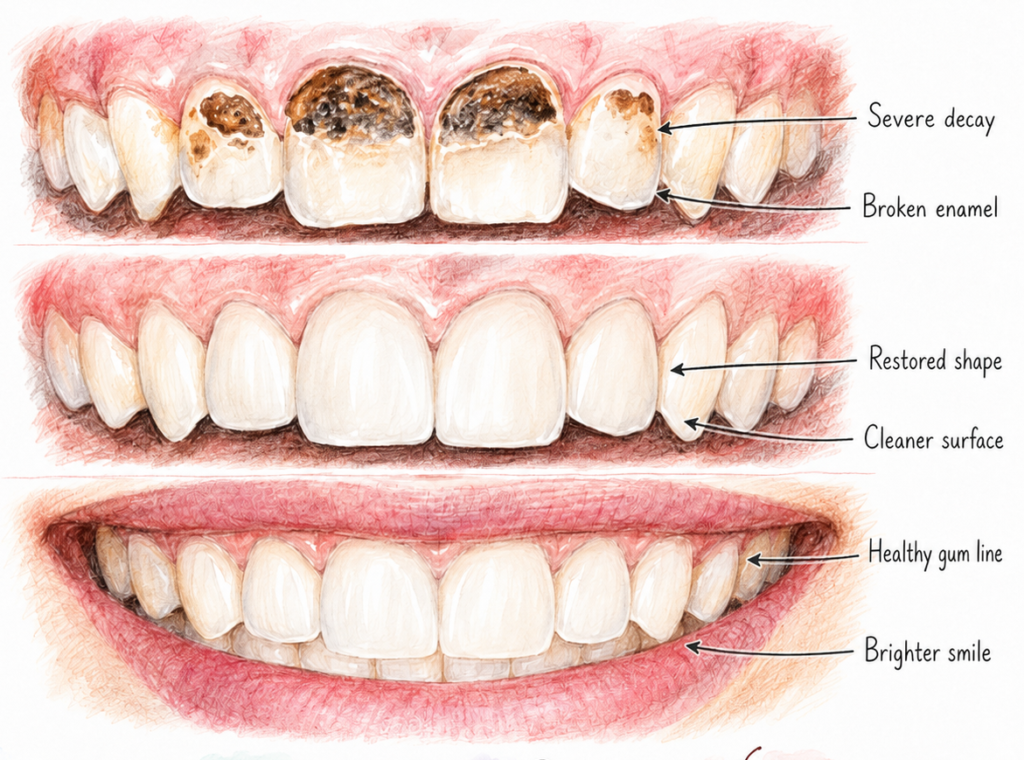
Because of this, dentists will often tell patients with composite fillings that they can eat as soon as the anesthesia wears off. There is no chemical hardening process happening over the next 24 hours like there is with amalgam.
However, just because the filling is hard does not mean your mouth is ready to eat normally right away. There are still reasons to be cautious, especially while your mouth is still numb from the local anesthetic.
Composite filling eating timeline:
Eating Timeline After a Dental Filling
| Time After Filling | What You Can Do |
|---|---|
| Immediately after | The filling is set, but avoid eating until the numbness wears off. |
| 1 to 2 hours after | Soft foods are usually fine. Avoid very hard or sticky foods. |
| Same day | Normal eating is generally acceptable, but chew carefully. |
| First few days | Watch for sensitivity when chewing hot, cold, or hard foods. |
Why You Should Not Eat While Numb
Regardless of what type of filling you received, eating while your mouth is still numb from anesthesia is a bad idea. Local anesthetic is injected before most fillings to prevent pain. This numbness typically lasts anywhere from one to three hours depending on the type of anesthetic used After a Filling Can You Eat Right away and how your body responds.
When you cannot feel your mouth properly, several problems can happen. You might accidentally bite your cheek, tongue, or inner lip without realizing it. This can cause painful sores that take days to heal. Children are especially at risk of this because they may not understand what the numbness feels like and may bite or chew on their lip out of curiosity.
You also cannot judge how hard you are biting when your mouth is numb. This means you could apply more pressure than you intend, which can stress a fresh filling before it has had time to fully settle in your bite.
Practical tips to handle post-filling numbness:
Be careful not to rub your tongue against the numb area repeatedly. Drink through a straw if you want something to drink before the numbness wears off. Stick to room temperature liquids rather than hot drinks, as you may not feel heat properly and could burn yourself. Avoid chewing gum until full feeling returns. Let children who had fillings rest quietly and distract them from touching the numb area.
Foods to Avoid After a Filling
Even After a Filling Can You Eat Right away the numbness wears off, there are certain foods that are not appropriate in the first day or two after a filling. These foods can put stress on the filling, cause discomfort, or affect how the filling settles.
Hard foods are a major concern. Biting down on something like hard candy, raw carrots, nuts, or crusty bread right after a filling can chip or crack it, especially while it is still in the early stages of full bonding or hardening.
Sticky foods are another issue. Caramel, taffy, chewing gum, and gummy candies can pull on a fresh filling. In some cases, they can even pull the filling out completely if it has not fully adhered.
Very hot and very cold foods can cause sensitivity. After a filling, the nerve inside the tooth can be irritated and more reactive than usual. Biting into ice cream or drinking scalding coffee right after a filling may cause sharp or lingering pain.
Foods to avoid and why:
Foods to Avoid After a Dental Filling
| Food Type | Reason to Avoid |
|---|---|
| Hard candy and nuts | May crack or chip the fresh filling. |
| Sticky candy and caramel | Can pull on the filling or loosen the bond. |
| Chewing gum | Creates repeated pulling force on the tooth. |
| Very hot drinks and food | May cause nerve sensitivity or pain. |
| Very cold foods like ice cream | Can trigger sharp sensitivity in the newly filled tooth. |
| Chewy bread or steak | Requires extra bite force and may strain the tooth. |
| Ice | Very hard and cold, making it a double risk. |
Foods That Are Safe to Eat After a Filling
Now for the good news. There are plenty of things you can eat after a filling that will not cause any problems. The goal is to choose foods that are soft, gentle, and not extreme in temperature.
Yogurt is a good option because it is soft, cool, and easy to eat without chewing. Mashed potatoes provide substance without requiring hard biting. Scrambled eggs are soft and filling. Soup is comforting, but make sure it is not extremely hot. Oatmeal, soft pasta, bananas, avocado, and smoothies are all reasonable choices for the hours and days following a filling.
Safe foods after a filling:
Soft Foods That Are Easy to Eat After Dental Treatment
| Food | Why It Works |
|---|---|
| Yogurt | Soft, gentle, and does not require chewing. |
| Mashed potatoes | Filling and easy to eat with very little bite force. |
| Scrambled eggs | Soft texture and gentle on the jaw and tooth. |
| Lukewarm soup | Soothing and easy to swallow without chewing. |
| Soft pasta | Requires minimal chewing and is easy to swallow. |
| Banana | Soft fruit with no hard edges. |
| Oatmeal | Warm, gentle, and easy to eat. |
| Smoothies | Nutritious and require no chewing. |
| Soft bread without crust | Easy to bite and gentle on the teeth. |
| Avocado | Creamy, soft, and very gentle on teeth. |
How Long Does Sensitivity Last After a Filling
Tooth sensitivity after a filling is completely normal and very common. The tooth has just gone through a procedure that involved drilling, heat, vibration, and the placement of a new material. The nerve needs time to calm down.
For most people, sensitivity fades within one to two weeks. During this period, you may notice discomfort when biting, or when the tooth comes into contact with hot, cold, sweet, or sour foods and drinks. This does not mean something went wrong. It is simply the tooth healing.
However, if After a Filling Can You Eat Right away sensitivity is severe, lasts longer than three to four weeks, or gets worse over time instead of better, you should contact your dentist. This could indicate that the filling is too high, that the pulp of the tooth was affected, or that other treatment may be needed.
Reasons why sensitivity happens after a filling:
The nerve inside the tooth was irritated during the drilling process. The filling material itself can cause an initial reaction as the tooth adjusts. If the filling is slightly too high, it changes the way your teeth come together when you bite, putting extra pressure on the new filling every time you chew. Composite resin fillings can sometimes cause a small amount of tooth shrinkage during the curing process, which can create micro-gaps that cause sensitivity.
Managing sensitivity after a filling:
Use a toothpaste designed for sensitive teeth. Avoid very hot or very cold foods and drinks during the healing period. Chew on the opposite side of your mouth if one side is especially sensitive. Take over-the-counter pain relief if needed, such as ibuprofen or acetaminophen, following dosage instructions. Rinse gently with warm salt water to reduce inflammation around the tooth.
What Is Bite Adjustment and Why It Matters
After a filling, your dentist will ask you to bite down on a piece of colored paper called articulating paper. This paper marks exactly where your teeth make contact. If the filling is too high, the mark will be very dark on the new filling, and the dentist will grind it down slightly until your bite feels even.
Getting the bite right is crucial. A filling that sits even slightly too high will cause problems because every time you chew, that tooth hits first and absorbs more force than it should. This can cause persistent soreness, sensitivity, or even cracks in the tooth over time.
If you leave the dentist and notice that your bite feels off — that your teeth do not come together the way they normally do, or that one tooth hits before the others — After a Filling Can You Eat Right away call your dentist and go back for a bite adjustment. This is a quick and painless procedure and it makes a significant difference in comfort and long-term outcome.
Signs your bite may need adjusting after a filling:
One tooth hits harder than the others when you close your mouth. You feel pain or pressure when biting down. The discomfort is specifically on the filled tooth rather than around it. Your jaw feels sore after eating. The sensitivity or pain is worst when your teeth come together, not just when exposed to temperature.
Special Considerations for Children
Children often have fillings on baby teeth as well as permanent teeth. After a child’s filling, the same general rules apply regarding eating and numbness, but there are additional concerns parents should be aware of.
Children may not communicate their symptoms clearly. A child might say their mouth hurts, but may not be able to describe whether it is sensitivity to temperature, pain from biting, or soreness from the injection site. Parents should monitor their child closely after a filling.
Keep the child away from hard snacks and candies for at least a day. Serve soft meals and make sure the child does not chew on their cheek while numb. Some children find the numbness frightening or strange, and reassurance goes a long way.
Children-specific tips after a dental filling:
Offer soft foods they enjoy, such as yogurt, mashed sweet potato, or a banana. Check that they are not biting their lip or cheek, which can happen easily with a numb mouth. Ask them if anything hurts when they eat, even a day or two later. If they complain about a tooth that was not filled, it may be sensitivity spreading, which is worth mentioning to the dentist. Praise them for their bravery at the dentist to make future visits easier.
What Happens If You Eat Too Soon
Let us say you ignore the advice and eat a hard pretzel or sticky toffee an hour after your filling. What actually happens?
In many cases, nothing catastrophic occurs. But you are taking a risk that is easy to avoid. If you eat before the numbness wears off, you may bite your cheek or tongue without knowing it. If you eat hard or sticky food before an amalgam filling has had time to harden fully, you may crack or dislodge it. If a composite filling is disturbed before it has properly bonded, it could shift or pop out.
When a filling fails prematurely, you face a return visit to the dentist, additional cost, and the possibility that the tooth has been further damaged. The simple act of waiting a few hours or choosing softer food for one day can prevent all of this.
Possible outcomes of eating too soon:
Biting injury to the cheek, tongue, or lip from numbness. Cracked or shifted amalgam filling from biting hard food. Dislodged or loosened composite filling from sticky food. Increased tooth sensitivity from disturbing the healing process. An uneven bite if the filling shifts before it is fully settled.
How Different Types of Food Affect Fresh Fillings
It is worth going into more detail about how specific types of food interact with a fresh filling, because the risk is not just about hardness or stickiness. Temperature, acidity, and sugar all play a role.
Acidic foods like citrus fruits, tomatoes, vinegar-based dressings, and carbonated drinks can irritate an already sensitive tooth nerve. They can also affect the surface of a fresh composite filling if consumed in large quantities right after placement.
Sugary foods are not just bad for overall dental health. When a tooth has just been drilled and filled, the surrounding gum tissue and tooth structure may be slightly inflamed. Exposing the area to sugar immediately after the procedure gives bacteria something to work with right away, which is not ideal while the tooth is in a vulnerable state.
Very fibrous foods like raw celery, tough meat, or corn on the cob require a lot of lateral chewing movement. This side-to-side grinding motion can stress a fresh filling and the adjacent gum tissue.
How different foods affect a fresh filling:
Food Risks After a Dental Filling
| Food Category | Type of Risk |
|---|---|
| Acidic foods, such as citrus and vinegar | May irritate the nerve and cause surface wear on composite fillings. |
| Sugary foods | Encourages bacterial activity near the vulnerable tooth. |
| Fibrous foods, such as celery and tough meat | Can create sideways chewing stress on a fresh filling. |
| Very hard foods, such as ice and hard candy | May directly crack or damage the filling. |
| Sticky foods, such as caramel and gum | Pulling force may loosen or dislodge the filling. |
| Very hot food or drink | Can trigger nerve sensitivity and may create thermal stress. |
| Very cold food or drink | May cause sharp sensitivity or pain. |
How to Care for Your Mouth After a Filling
Eating is only one part of post-filling care. Taking good care of your mouth in general after a filling will help it last longer and reduce discomfort.
Brush gently around the filled tooth for the first day or two. You do not need to avoid the area entirely, but be careful not to apply too much pressure directly on the filling while it is settling. Use a soft-bristled toothbrush.
Flossing is still important after a filling. The space between the filled tooth and the neighboring teeth needs to be clean to prevent new decay. However, if the filling is very close to the contact point between teeth, be gentle when flossing to avoid pulling at the filling.
Avoid smoking or using tobacco products after a filling. Tobacco can stain composite fillings quickly and impair healing of the surrounding gum tissue.
Rinse with warm salt water once or twice a day for the first few days. This helps keep the mouth clean and reduces inflammation.
Daily care checklist after a filling:
Brush gently with a soft toothbrush morning and night. Floss carefully around the filled tooth. Avoid tobacco and alcohol-based mouthwashes right after the filling. Rinse with warm salt water to reduce inflammation. Take note of any sensitivity and monitor whether it improves or worsens. Eat only soft, gentle foods for the first 24 hours. Follow any specific instructions given by your dentist.
When to Call Your Dentist
Most fillings heal without any problems. But there are certain signs that mean you should reach out to your dentist rather than wait and see.
Pain that gets worse over time, rather than gradually improving, is a warning sign. Pain that spreads to the jaw, ear, or other teeth is not normal sensitivity and should be evaluated. A filling that you can feel has moved or seems to no longer be in the right place needs to be checked. If you can see a crack or gap in the filling when you look in the mirror, contact your dentist. A constant dull ache that does not go away after two to three weeks may indicate the nerve was affected and further treatment such as a root canal might be needed.
Warning signs that need dental attention:
Pain getting worse instead of better over several days. Severe sensitivity that does not reduce with time. A noticeable crack or piece missing from the filling. The filled tooth is much higher than the surrounding teeth when you bite down. Pain radiating to the jaw, head, or ear. Swelling in the gum around the filled tooth. A bad taste coming from the area of the filling.
How Long Do Fillings Last
One reason it is worth taking good care of a fresh filling is that properly maintained fillings can last many years. Composite resin fillings typically last between seven and ten years, though they can last longer with good care. Amalgam fillings are known for durability and can last fifteen to twenty years or even longer.
The lifespan of a filling depends on several factors. The size and location of the filling matters. A large filling on a back molar that absorbs most of the chewing force will wear faster than a small filling on a front tooth. Your diet and habits also play a role. Grinding your teeth at night, chewing on hard objects like ice or pen caps, and consuming large amounts of acidic or sugary food all shorten the life of fillings.
Factors that affect filling lifespan:
| Factor | How It Affects the Filling |
|---|---|
| Size of the filling | Larger fillings wear faster and are more likely to crack. |
| Location | Back teeth handle more chewing force, so fillings may wear faster. |
| Grinding and clenching | Puts heavy pressure on fillings and can damage them over time. |
| Diet | High acid and sugar intake can weaken teeth and damage fillings. |
| Oral hygiene | Poor brushing and flossing can lead to decay around the filling edges. |
| Type of material | Amalgam usually lasts longer than composite in high-pressure areas. |
What Experts Say About Eating After Fillings
Dental professionals are consistent in their advice about eating after fillings. The general consensus among dentists is that patients should wait until the anesthesia fully wears off before eating anything, regardless of filling type. This one step alone prevents the majority of post-filling complications.
Dr. Mark Wolff, a professor and dean at the University of Pennsylvania School of Dental Medicine, has noted in various professional discussions that patient behavior in the hours right after a dental procedure is one of the most underestimated factors in treatment success. When patients eat carelessly right after a filling, it can undo the work done in the chair.
The American Dental Association recommends that patients with amalgam fillings wait at least 24 hours before chewing on the treated side, while patients with composite fillings can eat sooner after the numbness resolves, as long as they avoid hard and sticky foods initially.
What matters most is not rushing. The mouth has just gone through a procedure and deserves a few hours of rest. A little patience goes a long way in ensuring the filling lasts as long as possible.
Summary guidance from dental professionals:
Always wait for full feeling to return before eating. Avoid hard, sticky, hot, cold, and sugary foods for the first 24 hours. Check your bite after eating for the first time and contact your dentist if anything feels off. Use soft foods as your go-to for the first day and transition gradually. Follow any specific instructions from your individual dentist since every case is different.
Final Thoughts
Getting a filling does not have to be complicated, and neither does recovering from one. The key is understanding why certain waiting periods and food restrictions exist and then following them not out of fear but out of practical care for your own health.
The filling your dentist placed is designed to protect your tooth for years to come. Giving it the best possible start by waiting out the numbness, choosing soft foods for the first day, and being gentle with the area means you are investing in a longer-lasting result.
The few hours after a filling are actually a good time to rest, drink some water, and choose comfort foods that your body and your teeth will thank you for. Once the filling has fully settled, you can return to eating normally with a restored tooth that should serve you well for many years.
The question of whether you can eat right away after a filling has a clear and practical answer. You should not eat while numb, you should be cautious with amalgam fillings for the first 24 hours, and you should avoid hard, sticky, and extreme-temperature foods regardless of filling type. Composite fillings are ready to use as soon as the numbness wears off, but that does not mean you should immediately bite into a piece of hard toffee. Common sense and a little patience are all you need to protect your dental work and get back to enjoying meals normally.