


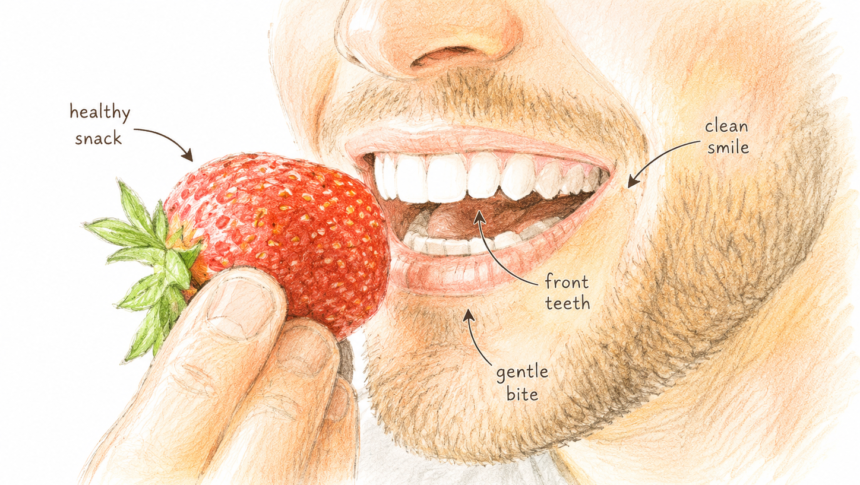
Most people think about whitening toothpaste, professional treatments, or special rinses when they want whiter teeth. But one of the most powerful tools for keeping teeth white and healthy is something you interact with multiple times every day: your food. What you eat and drink has a direct impact on the color, strength, and long-term health of your teeth. Some foods clean and strengthen teeth naturally. Others stain them, weaken the enamel, or feed the bacteria that cause decay.
This article walks through what a tooth-friendly diet actually looks like, which foods help and which ones hurt, how timing and habits around eating affect your teeth, and what expert research has found about the connection between diet and dental health.
Understanding Why Food Affects Tooth Color and Health
Your teeth are covered by a hard outer layer called enamel. This enamel is the strongest substance in the human body, but it is not invincible. It can be softened by acid, stained by pigmented compounds in food and drink, and worn down over time by abrasive eating habits.
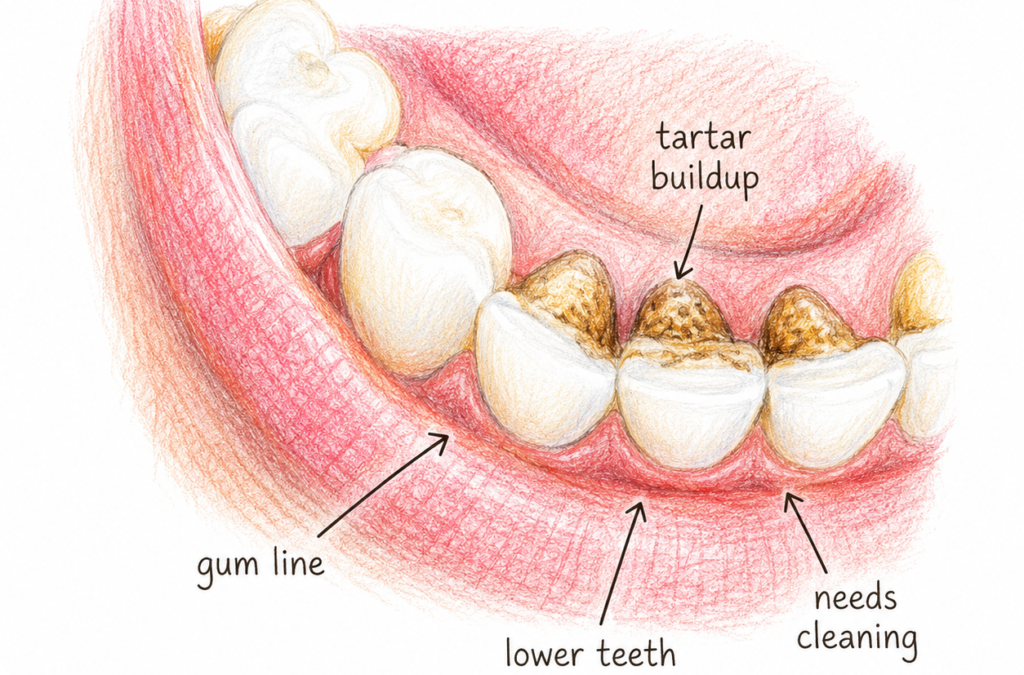
Beneath the enamel is a layer called dentin. Dentin is naturally yellowish in color. When enamel is thin or damaged, more of the dentin shows through, which makes teeth look yellow even if they have never been stained by coffee or wine.
Saliva plays a huge role in protecting the teeth. It neutralizes acids, rinses away food particles, and helps remineralize enamel with minerals like calcium and phosphate. Foods that stimulate good saliva flow are genuinely helpful for dental health.
The bacteria that live in your mouth are always present. When they feed on sugars and refined carbohydrates from food, they produce acid as a byproduct. This acid attacks enamel. The more frequently you eat sugary or starchy foods, the more acid your teeth are exposed to throughout the day.
How Food Affects Teeth
| Factor | How It Affects Teeth |
|---|---|
| Acidity of food or drink | Softens and erodes enamel over time. |
| Sugar content | Feeds bacteria that produce enamel-damaging acid. |
| Pigments and tannins | Stain the surface of enamel and may cause yellowing. |
| Calcium and phosphorus content | Strengthens and remineralizes enamel. |
| Fiber content | Stimulates saliva and helps clean tooth surfaces. |
| Antioxidants | Help protect gum tissue from inflammation and infection. |
Foods That Naturally Keep Teeth White
There is a group of foods that dentists and nutritionists often call detergent foods because of the way they work on the teeth. These are firm, fibrous, or crunchy foods that require a lot of chewing and in the process help scrub the tooth surface gently. They also stimulate a strong flow of saliva, which is the mouth’s natural cleaning and protective mechanism.
Raw apples are a classic example. Biting into an apple requires sustained chewing, which scrubs the tooth surface and gets saliva flowing. Apples also contain malic acid, a compound that is actually used in some commercial whitening products in small quantities. The natural concentration in a fresh apple is gentle enough to not harm enamel while still helping brighten the surface slightly.
Celery and carrots are other excellent examples. Both are crunchy, fibrous, and require a lot of chewing. The act of chewing them stimulates saliva and the fibrous texture rubs against the tooth surface in a way that is mildly cleansing.
Strawberries deserve a mention even though they are red-colored. They contain an enzyme called malic acid and also vitamin C, which helps reduce the plaque-forming bacteria that dull teeth. Some people use mashed strawberry as a natural tooth scrub, though this should be done sparingly and always followed by thorough rinsing.
Natural Whitening Foods and How They Work:
| Food | Active Component or Mechanism |
|---|---|
| Apples | Malic acid, fibrous texture, and strong saliva stimulation. |
| Celery | Fibrous texture, high water content, and saliva stimulation. |
| Carrots | Crunchy texture, vitamin A, and saliva stimulation. |
| Strawberries | Malic acid, vitamin C, and mild abrasive texture. |
| Pineapple | Contains bromelain, an enzyme that may help reduce staining. |
| Cheese | Stimulates saliva and raises pH levels in the mouth. |
| Cauliflower | Requires extensive chewing and stimulates saliva flow. |
Dairy Products and Their Role in Dental Health
Dairy products deserve their own section because the evidence supporting their benefit for dental health is strong and well-established. Milk, cheese, and yogurt are all rich in calcium and phosphorus, two minerals that are essential for maintaining enamel and even helping to repair minor surface damage.
Cheese is particularly interesting. Research published in dental journals has shown that eating cheese after a meal raises the pH level in the mouth, meaning it reduces acidity. This is significant because acid is the primary enemy of enamel. When you eat cheese, you get a burst of calcium and phosphate, and the act of chewing it stimulates saliva. The combination creates a genuinely protective environment for the teeth.
Dr. Carole Palmer, a professor at Tufts University School of Dental Medicine, has noted that dairy consumption, particularly cheese, is one of the dietary factors most consistently associated with lower rates of tooth decay in research studies. The calcium and casein proteins in dairy form a protective layer on the tooth surface and help neutralize acid.
Yogurt, especially plain unsweetened yogurt, provides similar benefits. It is also a source of probiotics, which may help reduce the harmful bacteria in the mouth. Studies have found that regular consumption of yogurt is associated with lower levels of the Streptococcus mutans bacteria, which is the primary bacterial cause of tooth decay.
Dairy Foods and Their Dental Benefits:
| Dairy Food | Key Benefit for Teeth |
|---|---|
| Hard cheese | Raises mouth pH, delivers calcium, and stimulates saliva. |
| Milk | Provides calcium and phosphorus and is gentle on enamel. |
| Plain yogurt | Probiotics may reduce decay bacteria, and it is high in calcium. |
| Kefir | Provides probiotic benefits plus calcium and may help reduce oral bacteria. |
Vegetables That Protect and Strengthen Teeth
Leafy green vegetables are not the most exciting food category, but they do remarkable things for both general and dental health. Spinach, kale, and Swiss chard are packed with calcium, which feeds directly into enamel health. They also contain folic acid, which is particularly beneficial for gum health. Folic acid has been shown to reduce gum inflammation and support healthy gum tissue structure.
Leafy greens also require chewing, which keeps saliva production high. The slight roughness of the leaves provides very mild mechanical cleaning of the tooth surface.
Broccoli is another standout vegetable for dental health. It contains iron, which helps form an acid-resistant protective layer on tooth enamel. Some research has suggested that eating raw broccoli creates a gentle film on the teeth that protects against the acids from subsequent foods or drinks. It is not a replacement for brushing, but it is a useful side effect of eating a vegetable that is already excellent for overall health.
Onions, which are not usually thought of as a dental superfood, actually contain antibacterial sulfur compounds. Raw onions in particular have been shown to kill several strains of bacteria that cause decay and gum disease. Cooking onions destroys most of these compounds, so the benefit is strongest when they are consumed raw, such as in salads or fresh salsas.
Tooth-protective vegetables and their actions:
| Vegetable | How It Helps Teeth |
|---|---|
| Spinach and kale | Provide calcium for enamel and folic acid for gum health. |
| Broccoli | Contains iron, which may help form an acid-resistant layer on enamel. |
| Raw onions | Contain antibacterial sulfur compounds that may reduce decay-causing bacteria. |
| Cucumber | High water content and mild texture help gently cleanse the teeth. |
| Lettuce | Requires chewing, stimulates saliva, and provides mild abrasive cleaning. |
The Role of Water in Keeping Teeth White
Water is not exactly a food, but it deserves significant attention in any conversation about diet and dental health. Drinking water regularly throughout the day, especially after meals and snacks, is one of the most practical things you can do for tooth health.
Water rinses the mouth of food particles and sugar residue that would otherwise sit on the teeth and feed bacteria. It also helps dilute acids from food and drink. Staying well-hydrated supports healthy saliva production, and since saliva is the mouth’s primary defense system, this connection is important.
Fluoridated tap water provides an additional benefit. Fluoride is a mineral that bonds into the structure of enamel and makes it more resistant to acid attack. Communities with fluoridated water have consistently shown lower rates of tooth decay in population studies dating back decades. Drinking fluoridated tap water throughout the day provides a regular, low-level dose of fluoride that supports enamel health.
Still water is preferable to sparkling water from a dental health standpoint. Sparkling water contains carbonic acid, which gives it its fizzy quality. While the acid level in plain sparkling water is much lower than in sodas or fruit juices, regular consumption throughout the day does provide a degree of acid exposure that plain water does not.
Water habits and dental impact:
| Habit | Dental Effect |
|---|---|
| Drinking water after meals | Rinses away sugar and food particles. |
| Drinking fluoridated tap water | Strengthens enamel with regular fluoride exposure. |
| Staying hydrated throughout the day | Supports healthy saliva production. |
| Choosing plain water over sparkling water | Reduces daily acid exposure to enamel. |
| Rinsing with water after acidic drinks | Dilutes leftover acid before it affects enamel. |
Foods and Drinks That Stain Teeth
Understanding the best diet for white teeth means being honest about which common foods and drinks are the main drivers of staining. Some of the most popular beverages in the world are also among the worst offenders for tooth staining.
Coffee contains pigments called chromogens that attach readily to the protein in tooth enamel. It also contains tannins, which are plant compounds that help chromogens bind to the tooth surface even more stubbornly. Regular coffee drinkers almost universally experience some degree of enamel staining over time.
Tea, particularly black tea, actually contains more tannins than coffee and is considered by many dental researchers to be an even more potent source of tooth staining. Green tea and herbal teas stain less, though they are not entirely free of this effect.
Red wine is a combination of chromogens, tannins, and acids, which makes it particularly problematic for tooth color. It is acidic enough to temporarily soften enamel, and then the pigments and tannins take advantage of this softened surface to penetrate more deeply.
Dark berries including blueberries, blackberries, and cherries are rich in beneficial antioxidants and vitamins, but their deep pigmentation does stain teeth. This does not mean you should stop eating them. The health benefits are significant. But it does mean that rinsing with water after eating them is a good habit.
Cola drinks and other dark sodas combine acidity, sugar, and dark pigments. The acid erodes enamel while the pigments stain it, making sodas one of the most damaging categories of drink for both tooth whiteness and tooth health overall.
Common staining foods and drinks with staining severity:
| Food or Drink | Staining Potential | Additional Damage |
|---|---|---|
| Black coffee | High | Low acidity, but tannins can bind stains to enamel. |
| Black tea | High | Contains strong tannins that may stain teeth. |
| Red wine | Very high | Acidic and contains pigments and tannins. |
| Dark sodas | High | Highly acidic, and sugar can damage enamel. |
| Blueberries and blackberries | Moderate | Nutrient-dense, but dark pigments may stain teeth. |
| Soy sauce and balsamic vinegar | Moderate to high | Dark pigments can stain teeth with frequent use. |
| Tomato sauce | Moderate | Acidic and pigmented, especially when eaten often. |
| Curry and turmeric | Moderate to high | Yellow pigments can bond to enamel. |
How to Still Enjoy Staining Foods Without Ruining Your Teeth
Here is something practical that many people find reassuring. You do not have to stop drinking coffee or eating berries to have healthy white teeth. What matters is how you manage these foods, not whether you consume them at all.
One of the most effective strategies is to drink staining beverages through a straw. Using a straw directs the liquid past the front teeth, significantly reducing the contact it makes with tooth enamel. This works especially well for iced coffee, iced tea, and cold drinks.
Another strategy is to consume staining foods as part of a meal rather than sipping or snacking on them slowly throughout the day. The more time a staining substance spends in contact with teeth, the more it stains. A glass of wine with dinner for 30 minutes is less harmful than slowly nursing coffee over two hours.
Rinsing your mouth with plain water immediately after consuming staining foods or drinks is simple and effective. It removes surface residue before it has time to set into the enamel. Importantly, you should rinse rather than brush immediately after consuming acidic items. Brushing right after acid exposure can actually remove softened enamel. Waiting 30 minutes before brushing gives saliva time to neutralize the acid and the enamel time to reharden.
Eating a small piece of cheese or drinking milk after a staining drink can also help, as the calcium compounds in dairy neutralize acids and help redeposit minerals into the enamel surface.
Practical habits for managing staining foods:
Use a straw for cold staining drinks. Drink staining beverages at mealtimes rather than throughout the day. Rinse with water immediately after consuming staining foods. Wait at least 30 minutes before brushing after acidic foods or drinks. Follow a staining drink with a small serving of dairy like cheese or milk. Chew sugar-free gum after staining foods to stimulate saliva flow.
Protein Sources That Support Dental Health
Protein plays a role in dental health that is less discussed than calcium or vitamins, but it is important. The proteins in food, particularly casein in dairy, form a protective film on enamel. But beyond dairy, other protein sources contribute to oral health in different ways.
Meat, particularly lean meats and fish, provides phosphorus, which works alongside calcium to maintain strong tooth structure. The phosphorus in animal protein is highly bioavailable, meaning the body absorbs and uses it efficiently. Phosphorus supports both enamel and jawbone health.
Eggs are an excellent source of vitamin D, phosphorus, and protein. Vitamin D is important in dental health because it is necessary for the body to actually absorb and use calcium. You can eat all the calcium-rich foods in the world, but without adequate vitamin D, that calcium is poorly absorbed. Low vitamin D status has been associated with higher rates of tooth decay in several population studies.
Fatty fish like salmon, sardines, and mackerel provide both phosphorus and vitamin D, as well as omega-3 fatty acids. Omega-3s have anti-inflammatory properties that benefit gum health. Gum disease, which is driven largely by inflammation, is one of the biggest threats to long-term dental health. A diet that reduces chronic inflammation throughout the body also reduces inflammation in the gums.
Protein foods and their dental contributions:
| Protein Source | Dental Benefit |
|---|---|
| Lean meat and poultry | Provides phosphorus for enamel and jawbone strength. |
| Eggs | Provide vitamin D for calcium absorption and phosphorus for tooth strength. |
| Fatty fish, such as salmon and sardines | Provides vitamin D, omega-3s for gum health, and phosphorus. |
| Legumes, such as beans and lentils | Provide calcium and protein and are low in staining compounds. |
| Nuts and seeds | Provide phosphorus, calcium, healthy fats, and mild abrasive texture. |
Nuts and Seeds as Dental Health Supporters
Nuts and seeds are often overlooked in dental health discussions, but they bring a useful combination of minerals, healthy fats, and physical texture. Chewing nuts provides mild mechanical stimulation of the gums and scrubbing of the tooth surface. Most nuts are also rich in calcium and phosphorus.
Almonds are especially worth noting. They are low in sugar, high in calcium and protein, and their hard texture provides a gentle abrasive effect on the tooth surface when chewed. Raw almonds have been suggested by some dental practitioners as a good snack choice specifically because they promote saliva flow while delivering minerals.
Sesame seeds are high in calcium and have a mild polishing effect on teeth when chewed. In traditional cultures, sesame seeds were used as part of oil-pulling or chewing practices to support oral health. While not a substitute for modern dental care, they are a nutritious addition to the diet that does not harm teeth.
Cashews contain anacardic acids and other compounds that have been found in some studies to have mild antibacterial properties against Streptococcus mutans, the primary decay-causing bacterium. While eating cashews is not a replacement for brushing, incorporating them into a balanced diet adds another layer of support.
The Relationship Between Sugar and Tooth Discoloration
Sugar is most often discussed in terms of causing cavities, but it also plays an indirect role in tooth discoloration. When sugar feeds bacteria in the mouth, these bacteria produce acid. This acid erodes enamel. When enamel becomes thinner, the yellowish dentin underneath becomes more visible, which makes teeth look less white even if there is no direct surface staining.
This is why a high-sugar diet can make teeth look duller and more yellow over time, even in people who do not drink coffee or wine. The enamel erosion from constant acid exposure gradually thins the white outer layer and reveals more of the natural yellow underneath.
Added sugars in processed foods and drinks are the main concern. Natural sugars in whole fruits come with fiber, water, and nutrients that partially mitigate their effect. However, fruit juice, which has the fiber removed and concentrates the sugar, behaves more like a sugary drink from a dental standpoint.
Sugar-related habits to reduce dental damage:
Limit added sugars in processed foods, sweets, and sweetened drinks. When eating sweet foods, have them as part of a meal rather than as a snack between meals. Finish a sweet meal with a piece of cheese or a glass of water to neutralize acids. Avoid sipping sweetened drinks slowly throughout the day, as this creates sustained acid exposure. Choose whole fruit over fruit juice to retain fiber and reduce sugar concentration hitting the teeth.
Green Tea as a Beneficial Drink for Teeth
Green tea stands somewhat apart from other teas when it comes to dental health. While it does contain some staining compounds, it also contains polyphenols called catechins that have been studied for their antibacterial and anti-inflammatory effects in the mouth.
Research published in the Journal of Periodontology found that regular green tea consumption was associated with reduced measures of periodontal disease. The catechins in green tea appear to inhibit the growth of harmful oral bacteria and reduce gum inflammation.
Unlike black tea, green tea is lower in tannins, which means it stains teeth to a lesser degree. Drinking it in moderate amounts and rinsing with water afterward allows you to get the health benefits with reduced staining risk.
Matcha, which is powdered green tea, contains even higher concentrations of catechins and has become popular as a health drink. From a dental perspective, it offers similar benefits to green tea but with a more concentrated dose of protective compounds.
Herbs and Natural Foods With Antibacterial Properties
Several herbs and natural foods contain compounds that act against the bacteria responsible for tooth decay and gum disease. Including these regularly in cooking and eating can add a layer of protection to the mouth.
Parsley contains compounds that combat the bacteria that cause bad breath and also has mild antibacterial activity in the mouth. Chewing fresh parsley after a meal has been recommended in various cultures as a natural breath freshener, and the chewing action itself helps clean the teeth.
Garlic contains allicin, which is one of the most powerful natural antibacterial compounds found in food. Allicin is active against Streptococcus mutans and several periodontal bacteria. Eating garlic regularly as part of a whole-foods diet contributes to a healthier oral bacterial balance. The obvious downside is breath odor, which can be reduced by drinking green tea or eating parsley afterward.
Ginger has anti-inflammatory properties that can benefit gum health. Chronic gum inflammation is a precursor to periodontal disease, and reducing systemic inflammation through diet is one practical approach to supporting gum health long-term.
Turmeric, despite its strong yellow pigment that can stain teeth if used in large amounts, contains curcumin, which has significant anti-inflammatory and antibacterial properties. Some practitioners suggest using a small amount of turmeric mixed with coconut oil as a gentle natural mouth treatment, though this remains more of a traditional practice than a clinically established dental treatment.
How Meal Timing Affects Dental Health
It is not just what you eat, but when and how often you eat that affects your teeth. Every time you eat or drink anything other than plain water, your mouth becomes acidic for a period of roughly 20 to 30 minutes as bacteria process the food and produce acid. This is called an acid attack.
If you eat breakfast, then have a mid-morning snack, then lunch, then an afternoon snack, then dinner, and then a snack in the evening, your teeth are under acid attack for the majority of your waking hours. This is why frequent snacking, even on foods that are not particularly bad for teeth, increases the overall damage from acid.
Eating meals rather than grazing throughout the day gives your teeth recovery time between acid attacks. In the periods between meals, saliva neutralizes acids and begins the process of remineralizing any enamel that was softened by the previous meal.
When you do snack, choosing foods that do not trigger significant acid production is helpful. Raw vegetables, a piece of cheese, nuts, or a plain yogurt are all options that have minimal acid-generating impact compared to crackers, fruit juice, or sweet drinks.
Meal timing principles for better dental health:
Reduce the frequency of snacking to limit the number of daily acid attacks. When snacking, choose low-sugar, low-acid options. Try to end meals with foods that neutralize acid, such as cheese, water, or raw vegetables. Avoid eating in the hour before bed since saliva production slows during sleep. If you consume acidic or sugary food or drink before bed, always brush afterward, but wait 30 minutes if the foods were acidic.
Vitamins and Minerals Most Important for Dental Health
Pulling together the dietary theme, it is helpful to identify the specific vitamins and minerals that matter most for keeping teeth white, strong, and healthy, and which foods deliver them best.
Calcium is the foundational mineral for enamel strength. It is found in dairy products, leafy greens, almonds, sesame seeds, sardines, and fortified plant milks.
Phosphorus works with calcium and is found in meat, fish, eggs, dairy, nuts, and legumes. Together, calcium and phosphorus form the mineral structure of enamel.
Vitamin D is necessary for calcium absorption. Without adequate vitamin D, dietary calcium is poorly used. Fatty fish, eggs, and fortified foods provide vitamin D, and sun exposure also contributes.
Vitamin C is critical for gum health. It is needed for the production of collagen, which gives gum tissue its structure and strength. Deficiency in vitamin C causes gums to become weak and bleed, a condition historically known as scurvy. Citrus fruits, strawberries, bell peppers, and broccoli are all excellent sources.
Vitamin K2 is a less commonly discussed nutrient but plays a role in directing calcium into the bones and teeth rather than into soft tissues. It is found in fermented foods, hard cheeses, egg yolks, and meat.
Magnesium contributes to enamel hardness and is found in nuts, seeds, dark chocolate, leafy greens, and whole grains.
Key dental nutrients and their food sources:
Sample Day of Eating for Dental Health
| Meal | Good Choices |
|---|---|
| Breakfast | Plain yogurt, apple slices, and scrambled eggs. |
| Morning snack | Almonds or a piece of hard cheese. |
| Lunch | Leafy green salad, grilled salmon, and raw carrots. |
| Afternoon snack | Celery sticks and cucumber slices. |
| Dinner | Lean chicken or fish, broccoli, and sweet potato. |
| Drinks throughout the day | Fluoridated water and green tea with meals. |
| Evening | Rinse with water and avoid late-night snacking. |
Building a Practical Daily Diet for White and Healthy Teeth
Pulling all of this information together into a practical approach makes it much easier to act on. A diet that genuinely supports white and healthy teeth does not require unusual foods or radical changes. It is mostly about balance, good habits around timing and hydration, and making smart choices when options are available.
A typical good day for dental health might look like this. Breakfast includes yogurt with fresh fruit such as strawberries or apple slices, or eggs with vegetables. Mid-morning, if hungry, a small handful of almonds or a piece of cheese provides calcium without significant sugar or staining. Lunch might be a salad with leafy greens, raw vegetables, grilled chicken or fish, and an olive oil-based dressing. Afternoon snack could be raw carrots or celery. Dinner might include salmon or lean meat with steamed broccoli and sweet potato. Water is the primary drink throughout the day, with coffee or tea consumed at specific times rather than sipped continuously.
This approach provides an excellent range of enamel-supporting minerals, gum-healthy vitamins, natural cleansing from fibrous foods, and minimal exposure to prolonged acid or staining.
Sample day of eating for dental health:
Sample Day of Eating for Dental Health
| Meal | Good Choices |
|---|---|
| Breakfast | Plain yogurt, apple slices, and scrambled eggs. |
| Morning snack | Almonds or a piece of hard cheese. |
| Lunch | Leafy green salad, grilled salmon, and raw carrots. |
| Afternoon snack | Celery sticks and cucumber slices. |
| Dinner | Lean chicken or fish, broccoli, and sweet potato. |
| Drinks throughout the day | Fluoridated water and green tea with meals. |
| Evening | Rinse with water and avoid late-night snacking. |
What Research Says About Diet and Tooth Whiteness
The scientific literature on diet and dental health is substantial and growing. Beyond the well-established connections between sugar and decay, researchers have increasingly studied how specific dietary patterns affect enamel color and integrity.
A study published in the British Dental Journal found that people who followed diets rich in dairy, fruits, vegetables, and whole grains had significantly lower rates of enamel erosion and tooth discoloration compared to those who consumed high amounts of acidic beverages and processed foods. The study highlighted that the overall dietary pattern mattered more than any single food.
Research from Japan found that adults who consumed green tea at least once daily had lower rates of tooth loss and gum disease than non-tea drinkers. The researchers attributed this to the catechins in green tea rather than to other lifestyle factors.
A study from the University of Rochester found that xylitol, a natural sugar alcohol found in some foods and commonly added to sugar-free gum, actively inhibits the growth of Streptococcus mutans by blocking its ability to metabolize sugar. This is why chewing xylitol-containing gum after meals has been clinically recommended by many dental organizations.
The overall picture from research supports a whole-foods, balanced diet as the most powerful dietary approach to dental health. No single superfood or supplement replaces the cumulative benefit of daily dietary habits that support the mouth’s natural defenses.
Final Thoughts on Eating for Whiter, Healthier Teeth
The connection between diet and dental health is real, direct, and entirely within your control. Every meal is an opportunity to either support or undermine the health of your teeth. The good news is that the diet that is best for your teeth overlaps significantly with the diet that is best for your overall health.
Eating plenty of vegetables and fruits, choosing dairy as a regular part of your diet, getting enough protein and the right vitamins and minerals, staying well-hydrated with water, limiting sugar and acidic drinks, and being mindful of how frequently you expose your teeth to staining substances will all contribute to teeth that are both whiter in appearance and healthier at the structural level.
No diet change will replace good brushing and flossing habits, and no amount of dietary planning substitutes for regular dental checkups. But what you eat every day forms the foundation of your dental health in ways that toothpaste and mouthwash alone cannot fully compensate for.
Taking your diet seriously as a tool for dental health is not complicated. It simply requires making food choices that happen to be good for your teeth alongside being good for everything else in your body. Over months and years, these consistent daily choices make a visible and measurable difference in the color, strength, and long-term health of your teeth.